With homes mobile homes at the forefront, this guide dives into the dynamic world of mobile living, highlighting its evolution, benefits, and unique lifestyle. Mobile homes have gained traction as a flexible and cost-effective housing option for many, offering a blend of affordability and community spirit that traditional houses often lack.
We’ll explore various types of mobile homes, their historical context, and how they fit into today’s housing landscape. By examining the financial and environmental advantages, as well as the challenges homeowners might face, this article seeks to provide a thorough understanding of what it means to live in mobile homes.
Exploring the Definition of Mobile Homes
Mobile homes, often referred to as manufactured homes, represent a unique segment of the housing market characterized by their mobility and affordability. Unlike traditional homes, which are permanently affixed to a specific site, mobile homes are built in factories and transported to their locations, allowing for flexibility in living arrangements. This concept was originally conceived to provide affordable housing solutions, especially during periods of economic hardship.
Mobile homes differ in construction and design from conventional homes. Traditional houses are typically built on-site and comply with local building codes, while mobile homes must adhere to federal standards set by the Department of Housing and Urban Development (HUD). These homes are often constructed on a chassis, which permits them to be moved to different locations more easily than site-built homes.
Types of Mobile Homes
The mobile home market today offers a variety of options, catering to different preferences and budgets. The primary types of mobile homes include:
- Single-wide homes: These homes are typically 18 feet or less in width and range from 600 to 1,000 square feet. They are often considered the most affordable option in mobile living.
- Double-wide homes: Approximately 20 feet wide, these homes are larger and provide more living space, often ranging from 1,000 to 2,000 square feet. They are transported in two sections and joined on-site.
- Triple-wide homes: These are the largest mobile homes, often exceeding 2,000 square feet. They provide extensive living areas and multiple bedrooms, similar to traditional homes.
- Park Model Homes: Designed for temporary living, these small units are often found in RV parks and are typically under 400 square feet. They are perfect for vacationing or seasonal living.
Understanding the types of mobile homes available helps potential buyers select the right option for their lifestyle and needs.
Historical Evolution of Mobile Homes
The history of mobile homes can be traced back to the early 20th century. Initially, these homes were constructed as simple, portable structures, primarily for travel and temporary living situations. The post-World War II era marked a significant turning point, as there was a surge in demand for affordable housing solutions. The advent of the mobile home as we know it began in the 1950s, when manufacturers began producing homes that combined durability with modern amenities.The impact of mobile homes on housing trends has been profound.
They addressed housing shortages in urban areas, provided affordable options for low-income families, and changed perceptions of non-traditional living. A notable shift occurred in the 1970s when stricter regulations were implemented, ensuring increased safety and comfort in manufactured homes. Today, mobile homes represent a viable housing alternative, accommodating diverse lifestyles and offering cost-effective solutions for many families. In summary, mobile homes have evolved significantly over the decades, shaping the landscape of affordable housing while adapting to the needs of contemporary society.
Understanding the Benefits of Living in Mobile Homes
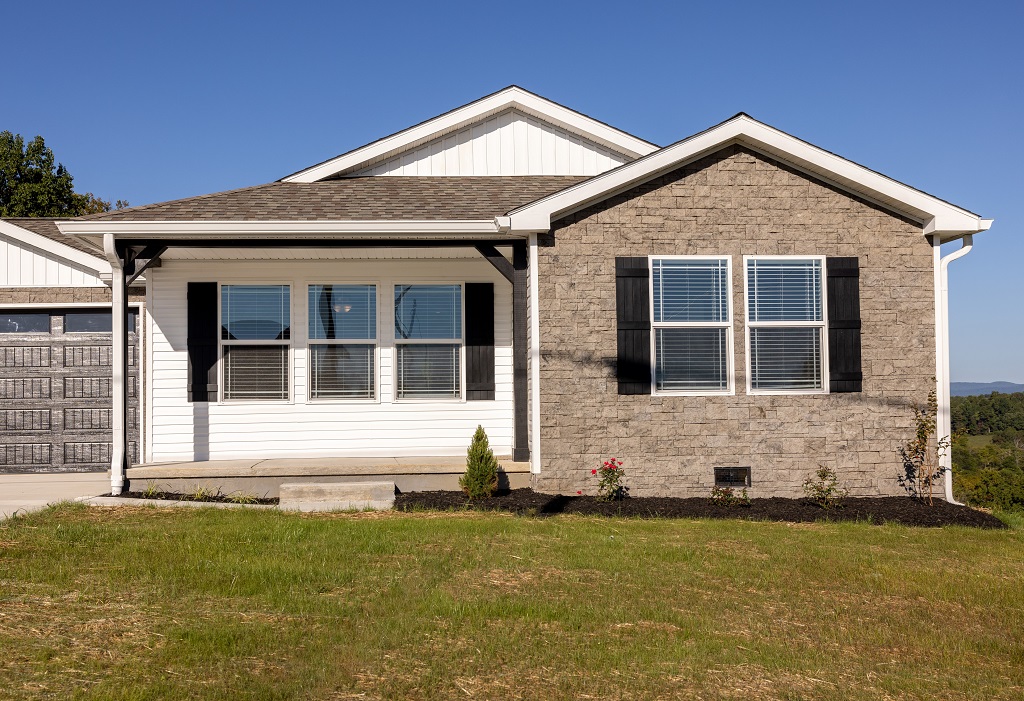
Living in a mobile home offers a unique set of advantages that appeal to various lifestyles and financial situations. With rising housing costs, mobile homes present an affordable alternative without sacrificing comfort and functionality. This section delves into the financial, environmental, and lifestyle benefits associated with mobile home living.
Financial Advantages of Mobile Homes
The financial benefits of mobile homes are significant when compared to traditional homes. Homebuyers often find mobile homes to be more budget-friendly, not only in terms of purchase price but also in ongoing expenses.
Lower Purchase Price
Mobile homes usually cost between $40,000 to $100,000, which is substantially lower than the median price of conventional homes that can exceed $300,000 in many regions.
Reduced Property Taxes
Mobile homes are generally taxed at a lower rate compared to traditional homes, leading to lower annual property tax bills.
Maintenance Costs
Maintenance for mobile homes can be less expensive, as they typically require fewer repairs and renovations than conventional houses. Many manufacturers build mobile homes with durable materials, which can reduce long-term upkeep.
Utility Expenses
Smaller living spaces mean lower heating and cooling costs, resulting in significant monthly savings on utility bills.
Mobile homes provide an economical path to homeownership without the burdens of high costs typically associated with conventional real estate.
Environmental Benefits of Mobile Home Living
Mobile homes can contribute to a more sustainable lifestyle, aligning with environmentally conscious living.
Smaller Footprint
The compact design of mobile homes reduces land use and resource consumption, minimizing the overall ecological footprint.
Energy Efficiency
Many mobile homes are built with energy-efficient materials and modern appliances, leading to reduced energy consumption. This results in lower greenhouse gas emissions compared to larger, less efficient homes.
Sustainable Community Living
Mobile home parks often promote community living, encouraging shared resources and communal green spaces, which foster a sense of togetherness while reducing individual environmental impact.
Living in a mobile home can be a step towards a more sustainable lifestyle, combining comfort with ecological responsibility.
Flexibility and Mobility in Mobile Home Living
One of the key attractions of mobile homes is the inherent flexibility they offer, allowing for diverse lifestyle choices.
Mobility
Mobile homes can be relocated, providing homeowners the opportunity to move without the hassle of selling a property. This aspect is particularly beneficial for those in transitional life phases, such as job changes or family dynamics.
Diverse Locations
Mobile homes can be situated in various environments, from bustling urban centers to serene rural areas, enabling residents to choose their ideal living situation based on personal preferences and lifestyle needs.
Affordable Vacations
Many mobile homeowners utilize their residences as vacation homes. This dual-purpose use allows for travel without the expense of renting accommodations.
The ability to move a mobile home offers unparalleled lifestyle flexibility, making it easier to adapt to changing life circumstances.
The Process of Buying a Mobile Home: Homes Mobile Homes
Purchasing a mobile home can be an exciting venture, offering flexibility and affordability in housing. However, navigating the buying process requires careful planning and consideration. Understanding the steps involved will help ensure a smooth transaction and long-term satisfaction with your new home.
Step-by-Step Guide to Purchasing a Mobile Home, Homes mobile homes
When buying a mobile home, it’s essential to follow a structured approach. This helps in managing financial commitments and ensures the home meets your needs.
1. Determine Your Budget
Assess your financial situation to establish how much you can spend. Consider all costs, including the purchase price, taxes, insurance, and maintenance. A commonly recommended guideline is that housing costs should not exceed 30% of your monthly income.
2. Secure Financing
Explore financing options specific to mobile homes. Traditional mortgages may not be suitable, so look into chattel loans or personal loans. It’s advisable to get pre-approved to have a clearer budget during negotiations.
3. Research Mobile Home Listings
Use online platforms and local classifieds to find mobile homes for sale. Pay attention to the age, size, and condition of the homes, as these factors impact value and livability.
4. Schedule Inspections
Once you find a potential home, hire a qualified inspector to evaluate its condition. This includes checking for structural issues, plumbing, electrical systems, and any signs of pest infestations. Inspections can save you from significant future expenses.
5. Negotiate the Price
Based on the inspection report, negotiate the price with the seller. Highlight any needed repairs or issues discovered during inspections as leverage in your discussions.
6. Finalize the Purchase
Once an agreement is reached, review all the paperwork carefully, including the purchase agreement and any disclosures. Make sure to understand the terms before signing.
Choosing the Right Mobile Home Park
The location of your mobile home is just as crucial as the home itself. Selecting the right mobile home park can significantly affect your living experience.
Amenities
Look for parks that offer desirable amenities such as recreational areas, pools, and clubhouses. These facilities can enhance your lifestyle and build a sense of community.
Community Rules
Familiarize yourself with the park’s rules and regulations. Understanding policies regarding pets, landscaping, and outdoor decor can prevent future conflicts.
Safety and Security
Assess the safety of the neighborhood. Consider the presence of security features like gated access or surveillance cameras, as well as the overall neighborhood crime rate.
Accessibility
Ensure that the park is conveniently located near essential services such as grocery stores, healthcare, and public transport. Easy access to these services can improve your quality of life considerably.
Negotiating the Price and Understanding Financing Options
Effective negotiation skills can lead to a better deal on your mobile home, while understanding financing options is crucial for making informed decisions.
Research Comparable Sales
Before entering negotiations, gather data on similar homes sold in the area. This provides a reference point for a fair price.
Be Prepared to Walk Away
Demonstrating a willingness to walk away can strengthen your negotiating position. Sellers may be more inclined to lower their price if they believe they may lose a potential buyer.
Explore Financing Options
Understand the different financing options available for mobile homes, which can include personal loans, bank loans, or financing directly through the seller. Each option has its pros and cons, so evaluate what best suits your financial situation.
Consider Down Payments and Interest Rates
Factor in your down payment and the potential interest rate on loans when calculating the overall cost of the home. A larger down payment can lower monthly payments and the total interest paid over time.
Understanding the intricacies of buying a mobile home empowers you to make informed decisions, paving the way for a successful homeownership experience.
Common Challenges Faced by Mobile Homeowners
Mobile homeowners encounter a unique set of challenges that can differ significantly from those experienced by traditional homeowners. Understanding these challenges is vital for anyone considering mobile home living, as it enables better preparedness for potential issues. In this section, we will explore some common challenges, the importance of consistent maintenance, and the legal and zoning hurdles that may arise.
Typical Issues Encountered by Mobile Homeowners
Several issues are commonly faced by mobile homeowners, and being aware of them can aid in effective management. Some of these challenges include:
- Structural Concerns: Mobile homes may experience settling, which can lead to issues like cracks in walls or uneven floors. Regular inspections and adjustments can help mitigate these problems.
- Plumbing Problems: Mobile homes often have unique plumbing systems that may require specialized repairs. Homeowners should keep an eye out for leaks and consider regular maintenance checks.
- Electrical Issues: Outdated electrical systems can pose safety risks. Engaging a qualified electrician for inspections and updates is essential.
- Site Preparation and Landscaping: Proper site preparation is crucial for mobile homes to prevent water drainage issues and potential flooding. Ensuring the ground is graded and well-drained can save homeowners from future headaches.
Importance of Maintenance in Mobile Homes
Maintenance is a critical aspect of mobile home ownership that cannot be overlooked, especially compared to traditional homes. Regular upkeep not only helps preserve the integrity of the structure but also enhances the overall living experience. Here’s a maintenance checklist to keep in mind:
- Inspect the roof for any damage, including missing shingles or leaks.
- Check the exterior for signs of wear and tear, such as peeling paint or damaged skirting.
- Examine all plumbing for leaks and ensure that drains are functioning properly.
- Maintain HVAC systems by changing filters regularly and scheduling professional inspections.
- Test smoke detectors and carbon monoxide detectors monthly to ensure safety.
Legal and Zoning Challenges for Mobile Home Residents
Mobile homeowners may face various legal and zoning challenges that require careful navigation. Understanding local regulations and community rules is imperative. Key issues include:
- Zoning Laws: Mobile homes must comply with local zoning regulations, which dictate where they can be placed. Homeowners should research these laws before purchasing to avoid complications.
- Land Lease Agreements: Many mobile home residents rent the land their home is on. Understanding lease terms, including rent increases and termination policies, is crucial.
- Community Rules: Mobile home parks often have specific rules governing maintenance and aesthetics. Familiarizing oneself with these rules can help maintain harmony within the community.
- Property Taxes: Mobile homes may be subject to different taxation than traditional homes, which can impact overall costs. Homeowners should consult local tax authorities for detailed information.
The Future of Mobile Homes in Urban Development
As urban centers continue to grow, the demand for affordable housing has reached critical levels. Mobile homes offer a viable solution that addresses both housing shortages and the rising costs of homeownership in urban areas. With their ability to be quickly deployed and their lower construction costs, mobile homes are becoming a significant part of the conversation around innovative urban development strategies.Mobile homes play a crucial role in mitigating the urban housing shortage as they provide an affordable and flexible option for various demographics, including young professionals, retirees, and low-income families.
By integrating mobile homes into urban planning, cities can utilize underused land while minimizing the financial barriers associated with traditional housing developments. This integration not only increases the overall housing stock but also allows for the revitalization of neglected areas, creating vibrant communities.
Integration of Mobile Homes into Urban Planning
The incorporation of mobile homes into urban planning contrasts sharply with traditional housing developments, which often require extensive resources and time. The benefits of mobile homes can be highlighted in the following ways:
- Speed of Development: Mobile homes can be manufactured off-site and transported to their final locations, significantly reducing the time required for construction. This allows cities to respond more rapidly to housing crises.
- Cost-effectiveness: Compared to conventional homes, mobile homes typically have lower costs associated with both procurement and maintenance, making them accessible to a wider range of potential homeowners.
- Flexibility: Mobile homes provide adaptability in planning. Cities can adjust their housing strategies by placing mobile homes in various locations based on need and demographic shifts.
- Land Use Optimization: Urban planners can maximize land utilization by placing mobile homes in areas that may not be suitable for traditional construction, such as smaller plots or underutilized commercial spaces.
Innovative Designs and Technologies in the Mobile Home Industry
The mobile home industry is undergoing a transformation, with innovative designs and technologies emerging that promise to enhance the living experience while addressing environmental concerns. Some noteworthy trends include:
- Eco-friendly Materials: The use of sustainable materials in construction reduces the ecological footprint of mobile homes, aligning with urban policies focused on sustainability.
- Smart Home Technologies: Integration of smart technology allows homeowners to manage energy use efficiently, enhance security, and improve overall comfort and convenience.
- Modular Designs: Modern mobile homes are increasingly designed as modular units that can be easily expanded or reconfigured, making them versatile for different family sizes and housing needs.
- Community-oriented Developments: New mobile home parks emphasize community living, featuring shared spaces and amenities that promote social interactions among residents.
The future of mobile homes in urban development is promising, with the potential to reshape how cities approach housing challenges. By embracing innovative designs and integrating mobile homes into urban planning, municipalities can create more inclusive, diverse, and sustainable communities. The adaptability and cost-effectiveness of mobile homes make them an essential component of the urban housing landscape moving forward.
Lifestyle and Community Aspects of Living in Mobile Home Parks
Living in a mobile home park presents a unique lifestyle that fosters a strong sense of community among residents. Unlike traditional neighborhoods, mobile home parks often bring together individuals from diverse backgrounds, creating an environment where social connections flourish. The shared experience of park living can lead to lasting friendships and support networks that enhance the overall quality of life for residents.The lifestyle in mobile home parks differs significantly from that of traditional neighborhoods in several ways.
Mobile home parks typically encourage a communal atmosphere, where neighbors frequently interact and participate in organized events. Most parks feature amenities that enhance social engagement, promoting an active lifestyle among residents.
Community Bonds and Social Activities
The sense of community in mobile home parks is often bolstered by various social activities and gatherings. Residents usually have access to communal spaces, such as clubhouses and recreational areas, which serve as hubs for interaction. Below are some common activities and facilities found in mobile home parks that contribute to the community spirit:
- Community Events: Many parks host regular events such as potlucks, holiday celebrations, and game nights, encouraging residents to come together and share experiences.
- Clubs and Organizations: Residents often form clubs focused on hobbies or interests, such as gardening, crafting, or book reading, providing additional avenues for socializing.
- Recreational Facilities: Amenities like swimming pools, fitness centers, and walking paths are commonly found in mobile home parks, offering residents opportunities to engage in healthy activities while meeting neighbors.
- Volunteer Opportunities: Many residents participate in volunteer programs organized within the park, helping local charities or enhancing the community, which fosters teamwork and camaraderie.
In addition to these activities, the layout of mobile home parks often facilitates casual encounters among residents. Proximity to neighbors can create a welcoming environment where people feel comfortable stopping by for a chat or lending a helping hand.
“In a mobile home park, relationships often resemble an extended family, where support and camaraderie are just a doorstep away.”
Overall, the lifestyle and communal aspects of living in mobile home parks offer a vibrant alternative to traditional residential settings, making them appealing for those seeking a close-knit community. The combination of engaging activities and the supportive nature of neighbors contributes significantly to the overall experience of residents.
DIY and Customization Opportunities for Mobile Homes

Personalizing a mobile home can be both a fun and rewarding experience. With a little creativity and some hands-on work, homeowners can transform their spaces into unique, inviting environments that reflect their personal style. From simple decor updates to extensive renovations, there are countless ways to make a mobile home feel like home.One of the most exciting aspects of living in a mobile home is the flexibility it offers for DIY projects.
Homeowners often take advantage of this by engaging in a variety of improvement projects that not only enhance aesthetics but also improve functionality. In this section, we will explore popular DIY projects and innovative ideas for maximizing space, along with the importance of thoughtful interior design.
Popular DIY Projects for Personalization
Mobile homeowners frequently embark on DIY projects that allow them to express their individuality. Some popular projects include:
- Wall Treatments: Applying peel-and-stick wallpaper or a fresh coat of paint can dramatically change the look of any room. Accent walls in bold colors or patterns can add character and warmth.
- Upcycling Furniture: Giving new life to old furniture through painting, reupholstering, or adding decorative elements can create a cohesive style while being budget-friendly.
- Outdoor Enhancements: Building a deck or patio using reclaimed wood or inexpensive materials can create an inviting outdoor space. Adding potted plants or outdoor furniture makes it a perfect relaxation area.
- Kitchen Upgrades: Installing new cabinet hardware, upgrading appliances, or even painting kitchen cabinets can refresh the overall look without a complete remodel.
Creative Storage Solutions and Layout Designs
Maximizing space in mobile homes is crucial due to their typically smaller size. Homeowners can implement practical and creative storage solutions along with smart layout designs to enhance utility and comfort:
- Under-Bed Storage: Utilizing bins or drawers under the bed keeps items organized while saving space. This is particularly useful for seasonal clothing or extra bedding.
- Multi-Functional Furniture: Investing in ottomans or coffee tables that open up for storage can serve dual purposes, providing both seating and space-saving solutions.
- Vertical Storage: Installing shelves or wall-mounted racks can make use of vertical space. Utilizing the walls for storage helps free up floor space, making the area feel less cramped.
- Room Dividers: Using bookshelves or curtains to separate spaces can enhance privacy while creating distinct areas for living, working, or sleeping.
The Importance of Interior Design
Creating an inviting atmosphere in a mobile home hinges on thoughtful interior design. It is essential to consider color schemes, lighting, and furniture arrangement to cultivate a welcoming environment.
- Color Psychology: Choosing lighter colors can make spaces feel larger and more open, while warm tones can create a cozy, intimate atmosphere.
- Lighting Choices: Layering lighting through the use of ambient, task, and accent lighting can significantly enhance the mood and functionality of spaces.
- Personal Touches: Incorporating personal items such as photographs, artwork, or mementos can help to create a sense of belonging and warmth.
- Consistent Theme: Maintaining a consistent style throughout the home, whether it be modern, rustic, or eclectic, provides a cohesive look and feel.
Last Recap
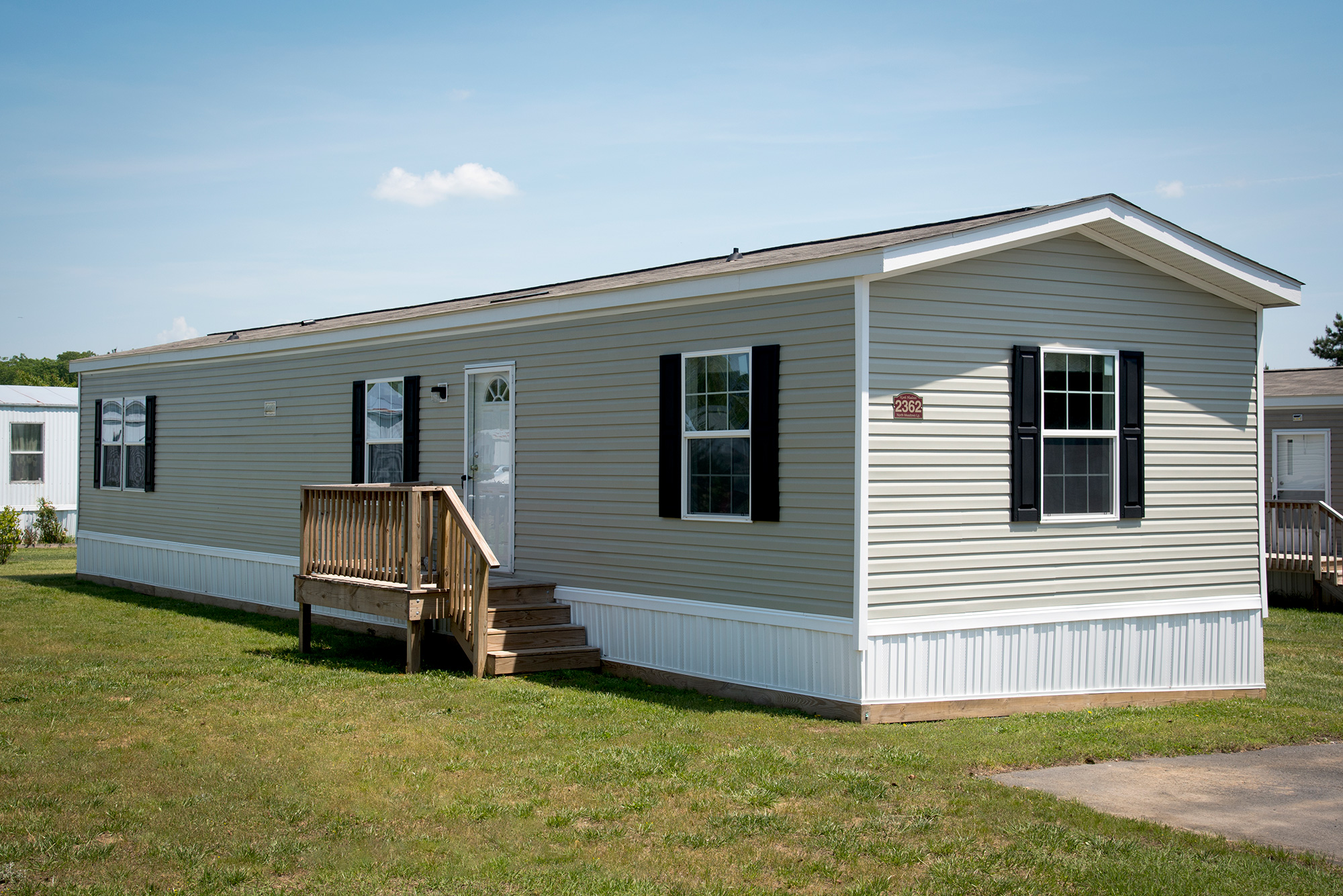
In summary, homes mobile homes present an attractive alternative to traditional housing, offering a unique community experience and significant financial benefits. As urban areas continue to evolve, mobile homes could play a crucial role in addressing housing shortages and fostering sustainable living. Whether you’re considering a mobile home for its affordability or lifestyle flexibility, there’s much to discover in this vibrant world of mobile living.
FAQ Overview
What are mobile homes made of?
Mobile homes are typically constructed using materials like wood, steel, and vinyl, making them durable yet lightweight.
Are mobile homes energy efficient?
Many mobile homes are designed with energy efficiency in mind, featuring insulation and energy-saving appliances.
Can I customize my mobile home?
Yes, many homeowners personalize their mobile homes through DIY projects and renovations to suit their tastes.
What is the average lifespan of a mobile home?
The average lifespan of a well-maintained mobile home can range from 30 to 55 years, depending on construction and care.
Do mobile homes appreciate in value?
While mobile homes generally depreciate like vehicles, certain factors, such as location and improvements, can enhance their value over time.