Home houses serve as the foundation of our lives, influencing not just where we live but also how we interact with the world around us. They are more than just physical structures; they embody our hopes, dreams, and the very essence of community. As we explore the significance of home houses, it becomes clear how they shape our societies, impact our mental health, and reflect cultural evolution.
From offering shelter and stability to nurturing relationships and fostering community ties, home houses play a vital role in modern life. Their architectural styles adapt to regional climates, while sustainable practices and technological innovations add new dimensions to our living spaces. Understanding these aspects allows us to appreciate the diverse ways home houses enrich our daily experiences.
The Importance of Home Houses in Modern Society
Home houses serve as more than just physical structures; they are the very foundation of our existence and significantly influence the fabric of society. In today’s fast-paced world, where urbanization and globalization shape lifestyles, the role of home houses has evolved into a multifaceted concept. They provide not only shelter but also a sense of belonging, security, and identity for individuals and families.
The significance of home houses extends beyond their walls; they shape communities, foster relationships, and impact mental well-being.Home houses play a crucial role in shaping communities and individual lives, acting as a nexus for social interactions and community development. A well-established home can foster a strong sense of community as it encourages social cohesion, support networks, and a shared responsibility among neighbors.
For instance, neighborhoods with stable housing conditions often promote community events, enhance local businesses, and improve safety measures, all of which contribute to a thriving environment. The phenomenon of community policing in areas with stable home houses illustrates how residents collectively work to maintain their neighborhood’s safety, reflecting the interconnectedness fostered by secure housing.
Psychological Benefits of Stable Home Environments
The psychological benefits of having a stable home environment are profound and well-documented. Stability in housing contributes to a sense of security, which is fundamental for mental health. A stable home environment allows individuals to develop routines, which are essential for fostering a sense of normalcy and predictability. For example, children raised in stable homes are more likely to excel academically and socially, as they are provided with an environment where they can thrive emotionally and intellectually.Furthermore, the presence of their own space promotes individuality and self-expression.
A personal bedroom, for instance, can be a sanctuary for teenagers, allowing them to explore their identities, interests, and creativity without external pressures. Research has shown that individuals with stable housing report lower levels of stress and anxiety compared to those experiencing housing instability. This correlation underscores the importance of home houses in promoting overall psychological well-being.
Historical Evolution of Home Houses
The historical evolution of home houses reflects societal changes and cultural developments over time. Initially, homes were rudimentary shelters focused solely on protection against the elements. As civilizations progressed, so did the concept of housing, evolving into more sophisticated structures that reflected social hierarchies and cultural values. For instance, ancient Roman homes, known as domus, incorporated elements such as atriums and gardens, signifying wealth and status.As we moved into the 20th century, the rise of suburbia marked a significant shift in home design and community structure, emphasizing space and family-oriented layouts.
The post-World War II boom in housing construction led to the establishment of neighborhoods that prioritized accessibility and communal spaces, paving the way for modern-day residential architecture. Today, the importance of sustainable practices in home construction reflects an evolution towards eco-conscious living, showcasing society’s growing awareness of environmental responsibilities.In conclusion, the journey of home houses from simple shelters to integral components of community and individual identity emphasizes their significance in modern society.
They are not just buildings; they are the heart of social interaction and personal development, influencing the quality of life for countless individuals.
Different Architectural Styles of Home Houses
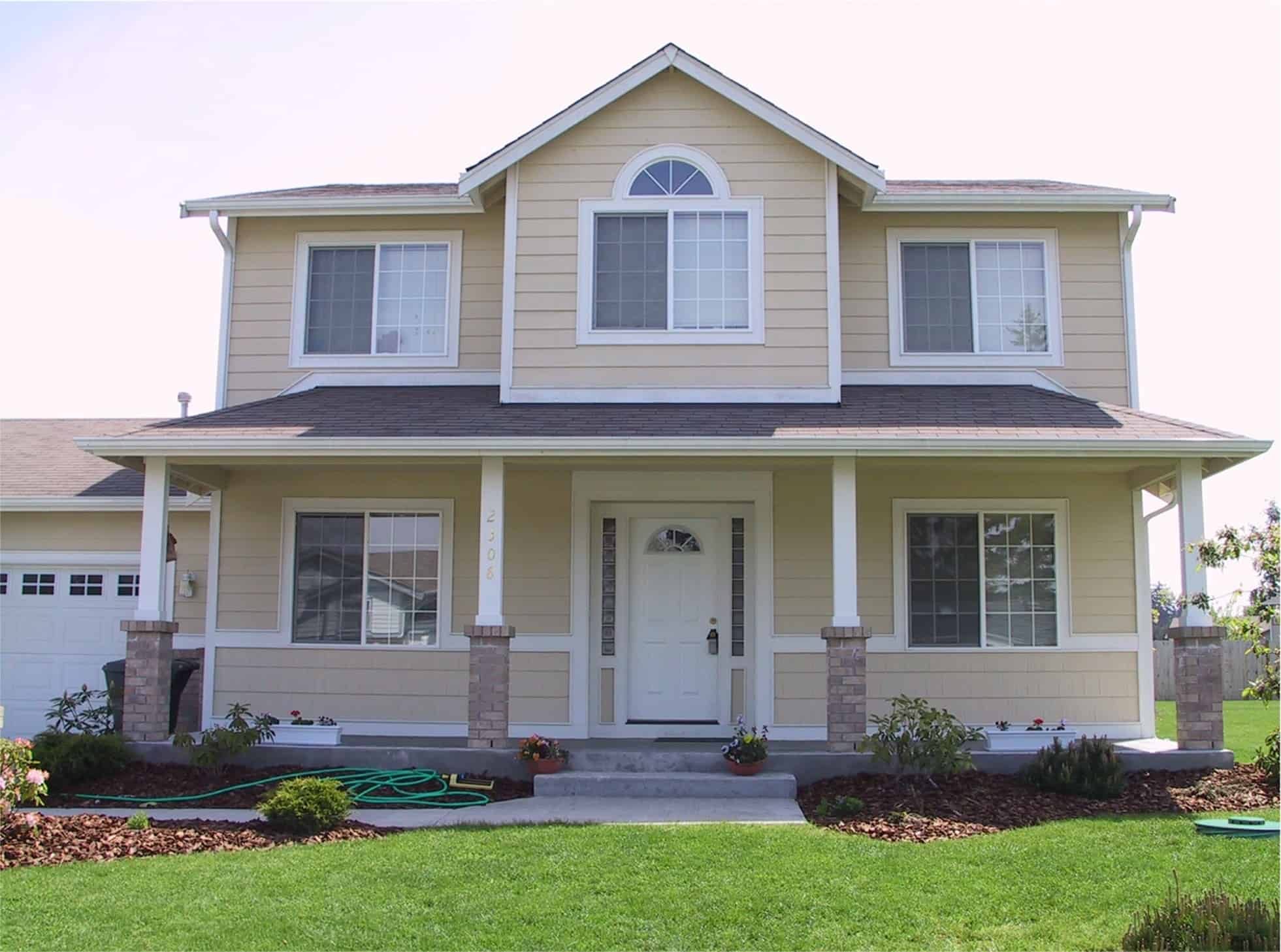
Home houses come in a myriad of architectural styles, each reflecting cultural, historical, and regional influences. Understanding these styles not only enhances appreciation for their aesthetics but also offers insights into how people adapt their living environments to meet personal needs and local conditions. This exploration delves into popular architectural styles, the impact of regional climates on home design, and a comparison of traditional and modern designs.
Popular Architectural Styles
Several architectural styles have become iconic in home design, characterized by unique features and historical significance. The following are three notable styles:
- Victorian: Known for its intricate detailing, the Victorian style features ornate trim, asymmetrical shapes, and vibrant colors. Homes often include bay windows and large porches, reflecting a celebration of craftsmanship during the Industrial Revolution.
- Modern: Modern homes emphasize simplicity and functionality, often using materials like glass, steel, and concrete. Characterized by clean lines and open spaces, this style promotes a connection between indoor and outdoor living.
- Ranch: Originating in the 1920s, Ranch-style homes are typically single-story structures with long, low profiles. They often feature large windows and open floor plans, prioritizing easy movement and a casual lifestyle.
Influence of Regional Climates on Home Design
The design and architecture of home houses are significantly influenced by regional climates. Different climates necessitate distinct building practices to optimize comfort and energy efficiency.
- Hot Climates: In regions with high temperatures, homes often feature thick walls, high ceilings, and shaded outdoor areas to mitigate heat. For instance, adobe homes in the Southwestern United States are designed to stay cool during the day and retain warmth at night.
- Cold Climates: In colder regions, homes are typically built with insulation and pitched roofs to prevent snow accumulation. Designs often include features like large chimneys and triple-glazed windows to enhance warmth, as seen in Scandinavian design.
- Coastal Areas: Homes in coastal areas are often elevated on stilts to protect against flooding, utilizing materials that withstand salt air and moisture. The use of large windows maximizes views and natural light while promoting ventilation.
Traditional Versus Modern Designs
The choice between traditional and modern designs in home houses presents various advantages and disadvantages, influencing homeowner decisions based on lifestyle and values.
- Traditional Designs: These styles often evoke nostalgia, featuring craftsmanship and historical elements. They are usually more diverse in aesthetics and align with regional characteristics. However, they may lack energy efficiency and can be more expensive to maintain.
- Modern Designs: Modern homes prioritize functional living and sustainability, often incorporating energy-efficient technologies. They typically offer flexibility in space and lower long-term maintenance costs. However, some may find them lacking in character compared to traditional styles.
“Architecture is the learned game, correct and magnificent, of forms assembled in the light.”
Le Corbusier
Sustainable Practices in Home Houses
The increasing awareness of environmental issues has led to a significant evolution in home construction practices, emphasizing sustainability. Home houses are now being designed and built with eco-friendly materials and innovative technologies that promote energy efficiency and minimize ecological footprints. This shift not only addresses climate change but also enhances the quality of life for residents while ensuring that future generations inherit a healthier planet.Sustainable practices in home houses focus on the use of eco-friendly materials and construction techniques that reduce the environmental impact of buildings.
Sustainable materials include renewable resources such as bamboo, reclaimed wood, and recycled metal, which offer durability while minimizing waste. These materials are often sourced locally, which further reduces carbon emissions associated with transportation. Additionally, the incorporation of non-toxic finishes and adhesives is essential in promoting indoor air quality, contributing to the well-being of inhabitants.
Energy Efficiency in Home Houses
Energy efficiency is a cornerstone of sustainable home design, drastically reducing energy consumption and greenhouse gas emissions. Achieving energy efficiency involves a combination of strategic design, high-quality insulation, and innovative systems. Key strategies for enhancing energy efficiency include:
- Passive Solar Design: By orienting the house to take advantage of natural sunlight, homeowners can reduce heating costs in winter and minimize cooling needs in summer.
- High-Performance Insulation: Using advanced insulation materials and techniques can significantly reduce energy loss, thereby lowering heating and cooling demands.
- Energy-Efficient Windows: Double or triple-glazed windows help in maintaining indoor temperatures and reducing reliance on heating and air conditioning systems.
- Smart Home Technology: Automated systems that monitor and adjust energy use can optimize energy consumption, allowing for real-time management of heating, cooling, and lighting based on occupancy.
The integration of innovative sustainable technologies is revolutionizing the construction and operation of home houses. These technologies not only enhance energy efficiency but also contribute to a more sustainable future. Examples of such technologies include:
- Solar Panels: Harnessing solar energy to power home appliances and systems can significantly reduce reliance on fossil fuels.
- Rainwater Harvesting Systems: Collecting rainwater for irrigation and household use minimizes the demand on municipal water systems and promotes conservation.
- Geothermal Heating and Cooling: This eco-friendly system utilizes the stable temperatures underground to efficiently heat and cool homes.
- Energy Storage Solutions: Technologies such as home batteries allow homeowners to store excess energy generated from renewable sources for later use, enhancing energy independence.
As the construction industry continues to embrace sustainable practices, the future of home houses looks promising. With eco-friendly materials, energy-efficient designs, and innovative technologies, homeowners can contribute to a sustainable future while enjoying the benefits of reduced utility bills and enhanced living environments.
The Role of Technology in Home Houses
The integration of technology in home houses has revolutionized the way we live, providing unparalleled convenience, efficiency, and security. Smart home technology is no longer a futuristic idea but a present-day reality that enhances comfort and simplifies everyday tasks, making our homes more enjoyable and functional.Smart home technology refers to devices and systems that connect to the internet, allowing homeowners to control and monitor various aspects of their home remotely.
This includes everything from smart lighting and climate control to advanced security systems. The impact of these technologies on daily living is profound, as they enable seamless integration with our routines and offer significant energy savings.
Smart Home Devices and Daily Living
Smart home devices have fundamentally changed how we interact with our living spaces. They provide automation capabilities that enhance convenience and efficiency. Here are some key examples:
- Smart Thermostats: Devices like the Nest Learning Thermostat learn user preferences and adjust heating and cooling accordingly, resulting in energy savings of up to 15% on heating and cooling bills.
- Smart Lighting: Systems such as Philips Hue allow users to control lighting via smartphone apps or voice commands, enabling customized ambiance and reducing energy consumption.
- Voice Assistants: Devices like Amazon Echo and Google Home function as central hubs, allowing users to control various smart home devices and access information through simple voice commands.
- Smart Appliances: Refrigerators, ovens, and washing machines can now be monitored and managed remotely, providing notifications about maintenance and usage, thereby increasing overall efficiency.
The automation of these devices transforms everyday interactions within home houses, allowing for a more streamlined and comfortable lifestyle. For instance, homeowners can set schedules for appliances, receive alerts for maintenance needs, and control their home environment from virtually anywhere, illustrating how technology integrates into daily life.
Security Innovations in Home Houses
Home security technology has advanced significantly, providing homeowners with enhanced safety measures that were once unimaginable. Innovations in this field are crucial for protecting property and ensuring peace of mind. The following innovations illustrate the importance of security in home houses:
- Smart Security Cameras: These cameras offer features like motion detection, night vision, and remote access via smartphones, allowing homeowners to monitor their property in real-time.
- Smart Door Locks: Keyless entry systems, such as those offered by August and Yale, allow users to lock and unlock doors remotely, enhancing convenience and security.
- Home Security Systems: Integrated systems that combine alarms, cameras, and environmental sensors can send alerts directly to homeowners or authorities in case of emergencies.
- Video Doorbells: Devices like Ring enable homeowners to see and communicate with visitors at their door via their smartphones, providing an extra layer of security and convenience.
The significance of these security innovations is underscored by the increasing concern for home safety. By utilizing smart technology, homeowners can create a more secure living environment, deterring potential intruders and ensuring a rapid response in emergencies. As technology continues to evolve, the role of smart home devices and security innovations will undoubtedly expand, offering even more sophisticated solutions for modern living.
Home Houses and Family Dynamics
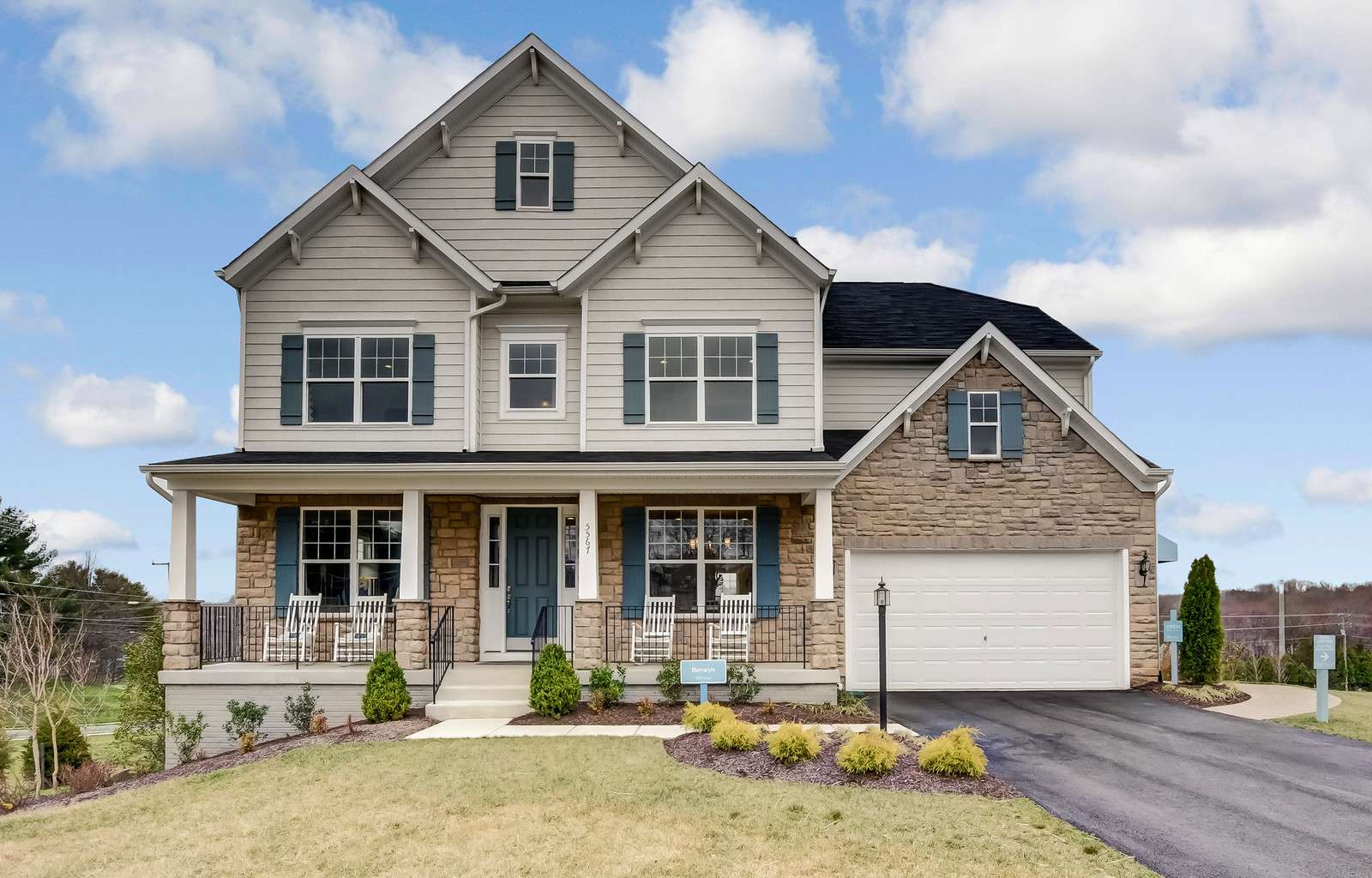
The design of home houses plays a pivotal role in shaping family interactions and relationships. The physical space where families gather significantly influences how they communicate, bond, and engage with one another. Home houses are not just structures; they are environments that foster connections, support daily routines, and enhance the quality of family life. The layout of a home can encourage or inhibit family dynamics.
Open-concept designs, for instance, create a sense of togetherness by eliminating barriers between different areas, such as kitchens, dining rooms, and living spaces. This layout allows family members to engage with each other seamlessly, whether they are cooking, eating, or relaxing together. Conversely, homes with isolated rooms might lead to family members spending time apart, reducing interaction and shared experiences.
Features Promoting Family Bonding and Communication
Several architectural features are essential for promoting family bonding and communication in home houses. Understanding these features can help in designing spaces that enhance familial relationships:
- Common Areas: Spaces like living rooms and family rooms serve as gathering spots where family members can relax and enjoy each other’s company. Comfortably furnished areas encourage more time spent together, thus fostering stronger relationships.
- Outdoor Spaces: Patios, gardens, or backyards provide opportunities for outdoor activities and play, allowing families to bond over shared experiences in nature. These areas also encourage hosting gatherings with extended family and friends.
- Functional Kitchens: The kitchen is often considered the heart of the home. A well-designed kitchen with ample space for multiple people to cook and collaborate enhances family interaction during meal preparation and encourages healthy eating habits.
- Flexible Spaces: Rooms that can be easily adapted for various activities, such as playrooms that double as guest rooms or home offices, can accommodate the changing needs of a family, promoting interaction across different family functions.
Multifunctional spaces in home houses are particularly relevant in modern family living. These spaces adapt to various activities, from work and play to relaxation and socializing. For example, a living room designed to serve as both a cozy entertainment space and a home office can accommodate the increasing number of remote workers and the need for home learning environments. This flexibility not only saves space but also encourages families to gather and engage in diverse activities together.
“The right space not only accommodates family routines but also enhances the quality of relationships among family members.”
In summary, the influence of home house design on family dynamics is profound. By incorporating features that promote bonding, communication, and multifunctionality, families can create an environment that nurtures relationships and adapts to the changing needs of modern life.
Financial Aspects of Owning Home Houses
Owning a home is often seen as a cornerstone of financial stability and personal achievement. However, the financial implications go beyond just the purchase price. Understanding the economic considerations involved in buying and maintaining a home is essential for anyone looking to invest in real estate. From hidden costs to property value appreciation, these factors can significantly impact homeowners’ financial decisions over time.
Economic Considerations in Purchasing and Maintaining Home Houses
When considering the purchase of a home, potential buyers must evaluate various economic aspects, including the initial costs and ongoing expenses that are often overlooked. The primary costs involve the down payment, which can range from 3% to 20% of the home’s value, and closing costs that typically add another 2% to 5% to the initial investment. Additional hidden costs often include:
- Property Taxes: These can significantly increase over time, sometimes reaching thousands of dollars annually depending on location.
- Maintenance and Repairs: Homeowners should budget for regular maintenance and unexpected repairs, which can average 1% of the home’s purchase price each year.
- Homeowners Insurance: This is necessary to protect against damages and liabilities and can vary greatly based on the home’s location and value.
- Utilities: Monthly costs for water, electricity, gas, and other utilities can add up, so budgeting for them is crucial.
Understanding these economic considerations can provide a clearer picture of the total investment required for homeownership.
Impact of Property Value Appreciation on Homeowner Decisions
Property value appreciation is a significant factor influencing homeowner decisions. Historically, real estate tends to appreciate over time, which can provide homeowners with substantial financial returns. For example, a home bought for $300,000 may appreciate by 3% annually, leading to a value of approximately $400,000 after ten years. Such appreciation can affect several financial decisions, including:
- Equity Utilization: Homeowners can leverage their increased equity for further investments or to cover expenses.
- Market Timing: Homeowners may choose to sell their property based on market trends and the potential for profit.
- Renovation Decisions: Understanding how property value appreciates influences whether homeowners invest in renovations to increase market value.
The awareness of appreciation trends can significantly affect the financial strategies of homeowners.
Buying Versus Renting Home Houses from a Financial Perspective
When assessing whether to buy or rent a home, the financial implications often weigh heavily on the decision. Buying a home typically involves a higher initial investment but can lead to significant long-term benefits, while renting usually requires lower upfront costs but lacks the investment potential of owning property. Key financial considerations for each option include:
- Investment Potential: Homeownership builds equity over time, whereas rent payments contribute to the landlord’s wealth without building personal equity.
- Monthly Payments: Mortgage payments may be comparable to or lower than rent payments, especially in markets where rents are rising.
- Tax Benefits: Homeowners can often deduct mortgage interest and property taxes, reducing their overall tax burden.
- Stability: Owning a home provides stability in monthly payments, as rent can fluctuate annually based on market conditions.
The decision between buying and renting should be based on individual financial situations, market conditions, and long-term goals.
Community and Home Houses

The relationship between home houses and community engagement is a vital aspect of modern living. Home houses are not just physical structures; they serve as the foundation for building relationships and fostering a sense of belonging within a community. When homes are designed with community in mind, they can enhance social interactions and contribute to a cohesive neighborhood identity.One significant aspect of community-oriented designs in home houses is their ability to encourage social connectivity among residents.
Neighborhoods that promote shared spaces, such as parks and communal gardens, play a crucial role in enhancing community engagement. These designs foster a culture of interaction and collaboration, leading to stronger social ties and support networks.
Neighborhoods with Community-Oriented Designs, Home houses
Several neighborhoods illustrate the effectiveness of community-oriented designs in their home houses. For instance, the concept of New Urbanism has gained traction in various parts of the world, emphasizing walkable neighborhoods with mixed-use spaces. A prime example is Celebration, Florida, designed by the Walt Disney Company, where homes are situated close to shops, schools, and parks, creating an environment that encourages interaction among residents.Another notable example is the Vauban district in Freiburg, Germany, recognized for its sustainable and community-focused design.
The neighborhood features car-free zones, communal gardens, and shared spaces that enhance social interaction and foster a strong sense of community. Residents actively participate in local initiatives, further embedding the community spirit.
Influence of Local Culture on Home Houses
The design of home houses is often a reflection of the local culture, which shapes the overall character of a community. Architectural styles, materials used, and even the layout of homes can provide insights into the cultural heritage of an area. For example, in regions with rich indigenous histories, home houses may incorporate traditional building techniques and materials, creating a unique architectural language that resonates with local identity.Furthermore, community events, festivals, and cultural practices can influence the design and function of home houses.
In Mediterranean cultures, for instance, homes often feature open courtyards that serve as gathering spaces for family and friends, reflecting the importance of community and social interaction.
“Home houses are the building blocks of community identity, reflecting the cultural tapestry that binds residents together.”
Future Trends in Home Houses
As we move further into the 21st century, the landscape of home houses is evolving to meet the shifting needs of society. This transformation is driven by various factors, including technological advancements, environmental considerations, and changing demographics. Understanding these emerging trends not only helps us anticipate future living environments but also enables us to adapt to and embrace these changes in our own lives.One noteworthy trend is the integration of smart home technology, which is becoming increasingly common in the design and construction of new homes.
Smart appliances, automated systems, and IoT (Internet of Things) devices enhance the functionality and efficiency of home houses. These technologies allow homeowners to control various aspects of their living environment from their smartphones, leading to improved energy management and convenience. Additionally, the rise of telecommuting has spurred demand for home offices, prompting architects and builders to create flexible spaces that can accommodate professional needs without sacrificing comfort.
Demographic Shifts and Their Influence
Demographic changes play a significant role in shaping the future of home houses. An aging population, in particular, is driving the need for more accessible and adaptable living spaces. Builders are responding by designing homes that feature single-floor layouts, wider doorways, and amenities that cater to individuals with mobility challenges. The increasing trend of multigenerational living is also influencing home design.
Families are opting for homes that can accommodate multiple generations under one roof. This shift encourages more open floor plans and additional suites, which provide privacy while still promoting interaction among family members. The desire for shared living spaces reflects broader societal trends toward community and support systems within households.
Urbanization and Its Impact
Urbanization continues to be a defining characteristic of modern life, influencing the design and functionality of home houses. As more people migrate to urban areas, the demand for housing in these densely populated regions increases. This has led to innovative architectural solutions such as micro-apartments and co-housing developments that maximize limited space while fostering a sense of community.The trend toward sustainable living is also gaining traction in urban environments.
Green building practices, such as the use of renewable materials and energy-efficient systems, are becoming standard in new constructions. Urban planners are incorporating green spaces into residential developments, recognizing the importance of nature in promoting well-being amidst urban density.In summary, the future of home houses is being shaped by a convergence of technological advancements, demographic shifts, and urbanization. The emphasis on sustainability, adaptability, and smart design is paving the way for living spaces that are more efficient, inclusive, and connected to their communities.
As we look ahead, these trends will continue to influence how we live, work, and interact in our homes.
Ending Remarks
In conclusion, home houses are much more than mere buildings; they are integral to our sense of belonging and identity. The evolution of their design, the incorporation of sustainability, and the influence of technology are all key factors that continue to shape our communities. As we look to the future, embracing these trends will ensure that home houses remain a critical part of our lives, fostering connection and well-being for generations to come.
Questions Often Asked
What are the key benefits of owning a home house?
Owning a home house provides stability, potential financial investment through property value appreciation, and the freedom to personalize living spaces.
How do home houses impact mental health?
A stable home environment can significantly reduce stress, enhance feelings of safety, and promote overall well-being.
What are some common architectural styles for home houses?
Popular styles include Colonial, Modern, and Craftsman, each with unique features that reflect different historical and cultural influences.
What is the role of technology in modern home houses?
Technology enhances convenience and security, with smart home systems allowing for automation and remote management of various home functions.
How can families benefit from multifunctional spaces in home houses?
Multifunctional spaces promote family bonding by providing areas for shared activities, enhancing communication, and maximizing the use of limited space.