Mobile homes for sale offer a unique and flexible housing option that has captured the attention of many potential buyers. These homes, often more affordable than traditional houses, present an attractive alternative for those seeking convenience without compromising comfort. With various types of mobile homes available, understanding their features and benefits is key to making an informed purchase.
In recent years, mobile homes have evolved significantly, providing modern amenities and designs that cater to diverse lifestyles. The landscape of mobile home ownership has changed, making it important to explore their advantages, market trends, and the buying process to navigate this unique sector of real estate successfully.
Understand the Basics of Mobile Homes for Sale
Mobile homes have become a popular choice for many looking for affordable housing options. Defined as pre-manufactured homes that are built in a factory and then transported to a designated site, mobile homes offer flexibility and cost-efficiency. There are several types of mobile homes, including single-wide, double-wide, and triple-wide models, each varying in size and layout, accommodating different lifestyles and needs.To clarify the terminology surrounding these homes, it’s important to understand the differences between mobile homes, manufactured homes, and modular homes.
Mobile homes refer specifically to those homes built before June 15, 1976, when the U.S. Department of Housing and Urban Development (HUD) established standards for manufactured homes. Manufactured homes encompass homes built after this date, which comply with HUD’s regulations, ensuring safety and quality. Modular homes, on the other hand, are built in sections in a factory and are assembled on-site, meeting local building codes similar to traditional homes, providing a different level of permanence and customization.Historically, mobile homes emerged in the 1920s as a solution for affordable housing during the Great Depression.
Initially designed for mobility, these homes catered to a transient lifestyle. Over the years, the perception of mobile homes shifted significantly. The introduction of federal regulations in the 1970s improved construction standards and overall quality. By the 2000s, mobile and manufactured homes began to be recognized as viable long-term housing solutions. The modern designs now offer a variety of amenities, much like traditional houses, including energy-efficient features and modern layouts.As mobile homes continue to evolve, they adapt to the changing needs of families and individuals.
They provide an affordable and flexible option that appeals to a wide range of buyers, from young professionals to retirees. The growing acceptance of mobile homes in various communities is a testament to their enduring relevance in the housing market.
Explore the Advantages of Purchasing Mobile Homes

Mobile homes, often seen as a budget-friendly alternative to traditional housing, offer a unique set of advantages that make them increasingly popular among buyers. With rising costs of living and housing markets that can be intimidating, mobile homes present a viable option for those seeking a comfortable and affordable lifestyle. Their appeal stretches beyond mere affordability, as they also come with a variety of other benefits that can cater to diverse lifestyle needs.One of the most significant benefits of owning a mobile home is the financial advantage it provides compared to traditional homes.
Mobile homes are often much more affordable, with prices that can range from around $30,000 to $100,000, depending on the size, location, and features. This affordability allows buyers to avoid the hefty mortgages typically associated with traditional housing. Additionally, mobile homes often have lower property taxes and insurance premiums, which can further decrease the financial burden of homeownership. The maintenance costs associated with mobile homes are typically lower as well.
Many mobile homes are constructed using durable materials that are designed to withstand various weather conditions, reducing the frequency and expense of repairs. Homeowners can often budget more effectively, knowing that routine maintenance and unexpected repairs will not break the bank.
Mobility and Flexibility of Mobile Homes
One of the standout features of mobile homes is their inherent flexibility and mobility. Unlike traditional homes that are fixed in one location, mobile homes can be relocated, allowing homeowners to adapt to changing circumstances without the need for a significant financial investment. This aspect is particularly appealing to individuals who may need to move for work, family, or even personal preference.Living in a mobile home allows for a lifestyle that can easily accommodate travel or relocation.
For example, a family may decide to move to a different state for job opportunities, and taking their home with them can significantly reduce the hassle and stress of finding new housing. This mobility can also open up opportunities for seasonal living, such as spending winters in warmer locations without committing to permanent residences in multiple places. Furthermore, mobile homes often come with the option to rent the land they sit on, which can provide even more flexibility.
This arrangement allows homeowners to choose a location best suited to their lifestyle—whether that be near family, work, or desired amenities. In summary, mobile homes present a compelling option for many buyers due to their financial advantages, including affordability and lower maintenance costs, as well as their inherent flexibility and mobility. Whether for a first-time buyer or someone looking to downsize, the benefits of mobile homes are clear, making them a valuable consideration in today’s housing market.
Investigate the Process of Buying Mobile Homes: Mobile Homes For Sale
Purchasing a mobile home can be an exciting venture, offering a unique blend of affordability and flexibility. Understanding the step-by-step process inherently involved is crucial for prospective buyers. The journey from initial research to closing the deal on a mobile home involves several key phases, each requiring careful consideration and planning.The first step in buying a mobile home is conducting thorough research.
This involves determining whether you would like a new or used mobile home, and identifying your budget. Set your financial limits and explore various options that fit within this range. It’s important to factor in additional costs such as insurance, taxes, and maintenance. Once you have a clear understanding of your finances, the next step is to explore the available mobile homes in your desired area.
Step-by-Step Process of Purchasing a Mobile Home
The process of purchasing a mobile home can be broken down into several distinct stages. Each stage is essential for ensuring a successful purchase. Below is a detailed checklist to guide you through this process:
1. Research and Budgeting
Determine the type of mobile home you want (single-wide or double-wide).
Assess your financial situation, including credit scores.
Consider additional costs (site preparation, utilities, insurance).
2. Finding the Right Home
Browse listings online or visit local dealerships and communities.
Contact real estate agents who specialize in mobile homes.
3. Viewing Homes
Schedule visits to see potential homes in person.
Inspect the condition of the home thoroughly – look for signs of wear or damage.
4. Financing Options
Explore financing through banks, credit unions, or mobile home specialists.
Understand the terms of loans and what you can afford for monthly payments.
5. Making an Offer
Once you find the right home, make an official offer.
Be prepared to negotiate the price based on your research and home condition.
6. Inspection and Appraisal
Hire a professional to inspect the home before finalizing the purchase.
Ensure the appraisal meets or exceeds the loan amount.
7. Closing the Deal
Review and sign all necessary paperwork.
Secure insurance for your new mobile home.
8. Moving In
Arrange for transportation of the home if it’s not already placed on your lot.
Set up utilities, and move your belongings in!
The importance of financing and inspections cannot be overstated. Financing plays a pivotal role in determining how much you can afford and what lenders may require. A comprehensive inspection helps ensure that you are not faced with costly repairs shortly after your purchase.
Buying a mobile home is not just about the initial cost; ongoing expenses can significantly influence your budget.
In addition to the above steps, prospective buyers should consider the following factors:
Location
Assess whether the mobile home is situated in a desirable area, taking into account access to amenities and community regulations.
Community Rules
Understand the rules and guidelines if the home is located in a mobile home park, which can affect your lifestyle and property use.
Resale Value
Consider the potential appreciation or depreciation of the mobile home over time.By following this checklist and remaining aware of vital considerations, you can navigate the process of purchasing a mobile home with confidence and clarity.
Analyze the Market Trends for Mobile Homes for Sale
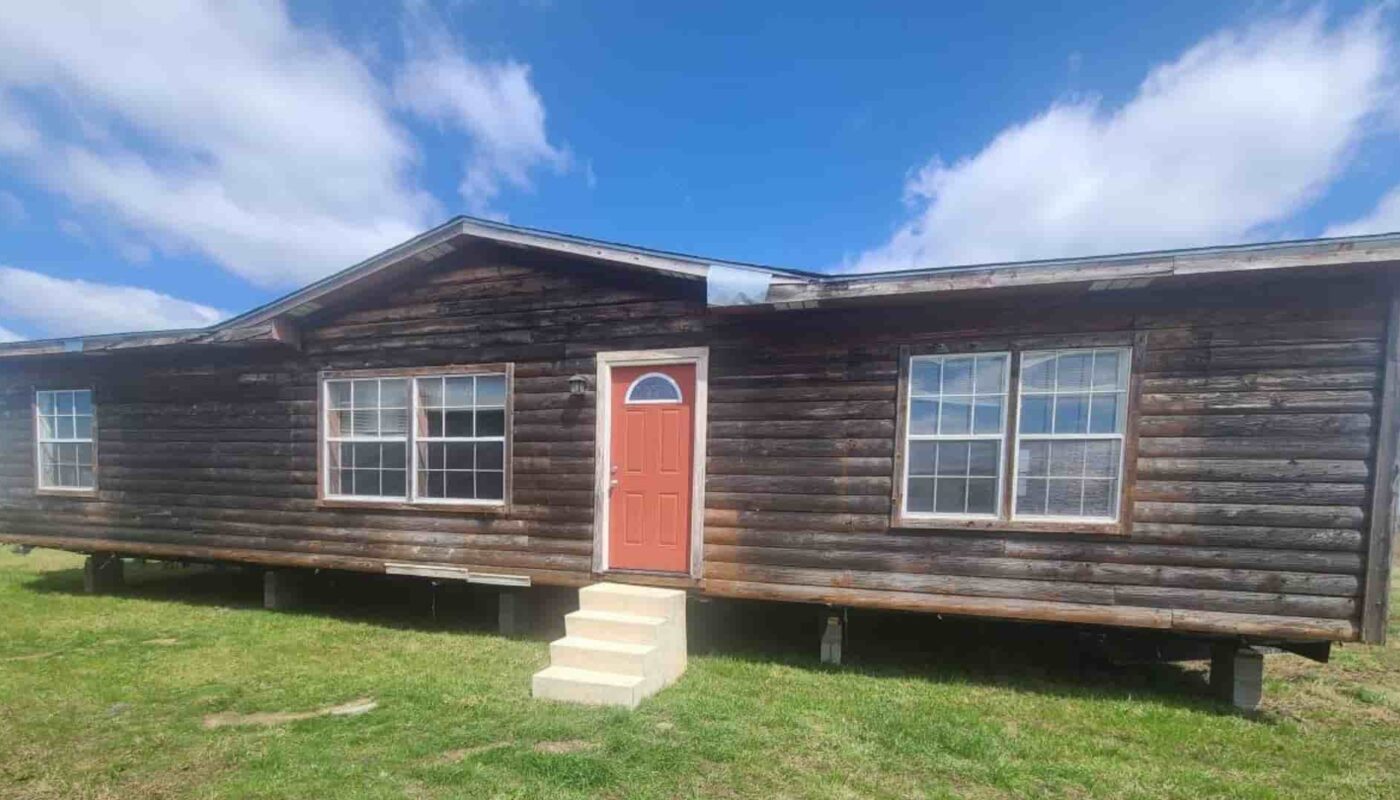
The mobile home market has seen notable shifts in recent years, influenced by various economic factors and changing consumer preferences. Understanding these trends is essential for potential buyers and investors alike, as they can significantly impact decision-making in the mobile home market.One of the current key trends affecting mobile home sales is the increasing demand for affordable housing options. As housing prices in traditional real estate markets continue to rise, many buyers are turning to mobile homes as a cost-effective alternative.
This trend reflects a broader shift towards prioritizing affordability, especially among first-time homebuyers and retirees.
Comparison of Mobile Home Market with Conventional Real Estate Market
The mobile home market operates differently from the conventional real estate market, which is important to understand for comparison purposes. Key differences include:
- Pricing: Mobile homes typically have a lower entry price compared to traditional homes, making them an attractive option for budget-conscious buyers. For example, while the average price of a single-family home can reach upwards of $300,000, many mobile homes are available for under $100,000.
- Financing Options: Financing a mobile home can differ from conventional home loans. Many buyers may rely on personal loans or specialized mobile home financing, which may come with different terms.
- Appreciation Rate: Mobile homes generally depreciate in value over time, unlike traditional homes that can appreciate significantly. This factor is crucial for potential investors to consider when evaluating long-term value.
Regional Variations in Mobile Home Popularity and Pricing
Mobile homes exhibit regional variations in popularity and pricing, influenced by local economies, demographics, and housing demands. Understanding these regional dynamics can provide insights for potential buyers looking for the best opportunities. An overview of regional trends includes:
- Southern and Southwestern States: States like Florida and Arizona have a high concentration of mobile homes, often due to favorable climates and retirement communities. Prices in these regions can range from $50,000 to over $150,000 depending on proximity to amenities.
- Urban vs. Rural Areas: In metropolitan areas, mobile homes may be less common due to land scarcity; however, they remain a viable option in rural settings where land is more affordable. Rural mobile homes can often be found for significantly lower prices.
- Market Growth Areas: Regions experiencing rapid population growth, such as parts of Texas and the Carolinas, are seeing increased interest in mobile homes, leading to price appreciation and a surge in new mobile home parks.
Mobile homes provide an essential solution to the affordable housing crisis, bridging the gap for many potential homeowners.
The interplay of these trends paints a picture of a dynamic market that is evolving in response to societal needs and economic conditions. Buyers should remain informed and vigilant to navigate this landscape successfully.
Discuss Financing Options Available for Mobile Home Buyers
Purchasing a mobile home can be an exciting venture, but it’s essential to understand the financing options available to you. Unlike traditional homes, mobile homes often come with unique financing considerations, which can impact your purchasing power and overall investment. This section will break down the various financing avenues available for potential mobile home buyers, highlighting the differences from traditional mortgages and offering tips to improve your eligibility for financing.
Types of Financing Available
There are several financing options available for mobile home buyers, each with unique terms and conditions. Understanding these options can help you make informed decisions and find the best fit for your financial situation.
- Chattel Loans: These loans are specifically designed for mobile homes. Chattel loans are typically easier to obtain than traditional mortgages, as they do not require the land on which the home is placed as collateral. Instead, the home itself serves as collateral, which can lead to higher interest rates and shorter terms—often 15 to 20 years.
- FHA Loans: The Federal Housing Administration (FHA) offers loans for manufactured homes that meet specific criteria. To qualify, the home must be affixed to a permanent foundation and meet local building codes. FHA loans generally offer lower down payments and interest rates compared to chattel loans.
- VA Loans: Eligible veterans can take advantage of VA loans, which can provide favorable terms for purchasing a mobile home. Like FHA loans, VA loans require the home to be permanently affixed to land, and they often come with no down payment requirement.
- Personal Loans: Personal loans can also be an option for financing, but they typically have higher interest rates and shorter repayment periods. They are unsecured loans, meaning they do not require collateral, which may lead to stricter eligibility requirements.
Differences Between Mobile Home Loans and Traditional Mortgages
Understanding the differences between mobile home loans and traditional mortgages is crucial for buyers. Traditional mortgages primarily finance real estate, which includes purchasing both land and a home. In contrast, mobile home loans can sometimes focus solely on the home itself, without the land. This distinction often leads to differing interest rates, terms, and eligibility criteria. For instance, while a conventional mortgage might allow for a 30-year term with lower interest rates, mobile home financing often requires shorter terms and higher rates due to the nature of the collateral.
“In mobile home financing, the home itself is often treated as personal property rather than real estate, affecting loan terms and conditions.”
Improving Eligibility for Financing
Improving your eligibility for financing can significantly enhance your chances of securing a loan with favorable terms. Here are several strategies:
- Boost Your Credit Score: Aim to improve your credit score by paying down debts and ensuring timely bill payments. A higher score can qualify you for lower interest rates and better loan terms.
- Provide a Steady Income: Lenders typically look for stable income sources when assessing loan applications. Showcasing a consistent employment history or reliable income can bolster your application.
- Save for a Down Payment: While some loans may require little to no down payment, having a substantial down payment can significantly improve your chances of loan approval and lower your monthly payments.
- Lower Your Debt-to-Income Ratio: Lenders evaluate your debt-to-income ratio to determine your ability to manage monthly payments. Reducing existing debts can improve your ratio and make you a more appealing candidate for financing.
Identify Legal Considerations When Purchasing Mobile Homes
Purchasing a mobile home involves several legal considerations that are essential for ensuring a smooth transaction and protecting your investment. Understanding these legal aspects can help buyers navigate through potential pitfalls and make informed decisions. From zoning laws to land ownership agreements, being aware of the regulations surrounding mobile home purchases is crucial for both first-time buyers and seasoned investors.
One primary legal aspect of mobile home ownership is adherence to zoning laws and regulations that vary by location. Zoning laws dictate what types of structures are allowed in certain areas, and they can differ significantly between municipalities. Buyers must verify that the mobile home they wish to purchase complies with local zoning regulations. Failure to adhere to these laws can result in fines or, in extreme cases, the requirement to relocate the mobile home.
It’s advisable to contact local zoning offices or consult with a real estate attorney familiar with mobile home regulations to ensure compliance. Additionally, understanding the distinction between mobile home parks and individually-owned land can significantly influence ownership rights and responsibilities.
Zoning Laws and Land Ownership
Legal considerations extend to zoning laws and regulations affecting mobile home ownership and the implications of land ownership versus renting a lot in a mobile home park. The following points Artikel these crucial distinctions:
Zoning Laws
These laws are implemented at the city or county level and govern where mobile homes can be placed. Each area may have specific requirements, including minimum lot sizes, setbacks from property lines, and utility connections. It is important for buyers to research local zoning ordinances that apply to their desired location to avoid future legal complications.
Land Leases vs. Owning Land
When purchasing a mobile home, buyers may face the decision of either renting a lot in a mobile home park or buying the land on which the home will sit. Owning the land gives buyers more control, including the ability to modify the property without restrictions imposed by a landlord. Conversely, renting a lot may involve additional fees and regulations set by the park management, which can affect the overall cost of ownership and the ability to sell the mobile home later on.
Leases and Agreements
If opting for a land lease, it is crucial to carefully review the lease agreement. These documents often contain stipulations regarding rent increases, maintenance responsibilities, and rules governing the use of the property. Buyers must ensure they fully understand the terms and conditions set forth in these agreements before signing.
Title and Registration
Mobile homes, in many cases, require titling similar to vehicles. Buyers must secure the appropriate title documents and register the mobile home with the local Department of Motor Vehicles or a similar authority. Proper registration is necessary for establishing ownership and may be required for resale or financing purposes.
Understanding these legal considerations is vital for anyone looking to purchase a mobile home. By being informed about zoning laws, land ownership options, and associated agreements, buyers can make decisions that not only align with their financial goals but also ensure compliance with local regulations, safeguarding their investment and future living arrangements.
Share Tips for Maintaining Mobile Homes
Maintaining a mobile home is essential to ensure it remains a comfortable and safe living space. Regular upkeep not only enhances the home’s value but also prevents costly repairs in the future. By following a structured maintenance plan and being proactive, homeowners can effectively keep their mobile homes in excellent condition.One of the most effective ways to maintain a mobile home is through seasonal checklists that help homeowners stay organized.
Here’s a comprehensive seasonal maintenance checklist that covers critical areas to address throughout the year:
Seasonal Maintenance Checklist
Every season brings unique maintenance needs. Staying on top of these tasks can help prevent issues from arising.
- Spring:
- Inspect the roof for any winter damage and clear gutters of debris.
- Check exterior siding for cracks or discoloration and make necessary repairs.
- Examine plumbing for leaks, and inspect the water heater for rust or corrosion.
- Service the HVAC system, replacing filters and cleaning ducts.
- Summer:
- Clean and inspect the air conditioning unit for efficient operation.
- Check for pests or insects, especially around the foundation.
- Inspect the skirting for damage, ensuring it’s secure.
- Maintain landscaping to prevent overgrowth against the home’s exterior.
- Fall:
- Inspect insulation and weather stripping to prepare for colder months.
- Check and clean the chimney if applicable, ensuring it’s free of blockages.
- Flush the water heater to remove sediment and improve efficiency.
- Prepare the heating system for winter, including duct cleaning and filter changes.
- Winter:
- Monitor the home for ice dams on the roof and clear them promptly.
- Inspect plumbing for potential freezing and insulate any vulnerable pipes.
- Keep the home’s interior warm to prevent damage from freezing temperatures.
- Check smoke and carbon monoxide detectors, replacing batteries as needed.
Common issues encountered in mobile homes often stem from improper maintenance or age. These can include water leaks, structural settling, and HVAC problems. Addressing these issues promptly is crucial. For instance, if a homeowner notices water stains on the ceiling, it could indicate a leak from plumbing or the roof. In such cases, it’s vital to identify the source of the leak and repair it immediately to prevent mold growth and further damage.
Structural settling may require shimming the foundation or adjusting the home’s support system, which should be handled by professionals for safety. Lastly, HVAC problems can often be traced back to neglected maintenance. Regular servicing and filter changes can prevent breakdowns, ensuring a comfortable living environment year-round. By adhering to these maintenance tips and seasonal checklists, mobile homeowners can enjoy a well-maintained home that stands the test of time.
Create a Guide for Selling Mobile Homes
Selling a mobile home can present unique challenges and opportunities for homeowners. With the right approach, you can effectively navigate the selling process while maximizing your home’s value. This guide Artikels essential steps to help you successfully sell your mobile home, focusing on preparation, staging, marketing strategies, pricing, and negotiation tactics.
Essential Steps for Homeowners Selling Their Mobile Home, Mobile homes for sale
To ensure a smooth selling experience, homeowners should follow a series of essential steps. Understanding these steps can help in managing the sale process effectively.
1. Prepare Your Mobile Home for Sale
Begin with cleaning and decluttering your home. A tidy space allows potential buyers to visualize themselves living there. Consider making minor repairs to address any issues that could detract from your home’s appeal.
2. Set a Realistic Price
Research comparable listings in your area to determine a competitive price. Online appraisal tools and local real estate agents can provide insights into the current market conditions.
3. Gather Necessary Documentation
Compile all relevant documents, including the title, maintenance records, and any warranties. Having these documents ready can instill confidence in buyers and streamline the closing process.
In this topic, you find that Cheap Mobile Homes for Sale in Palm Beach County is very useful.
4. Stage Your Mobile Home
Staging your mobile home is crucial in attracting buyers. Create an inviting atmosphere by rearranging furniture, adding fresh paint, and using decor to highlight the home’s best features. Focus on natural light and spaciousness.
5. Develop a Marketing Strategy
Utilize online platforms, social media, and local advertising to reach potential buyers. High-quality photos showcasing your mobile home’s interior and exterior can significantly enhance interest. Consider creating a virtual tour that allows buyers to explore your home remotely.
6. Negotiate Offers
Be prepared for negotiations once offers start coming in. Understand your bottom line and be open to constructive discussions. A willingness to compromise can lead to a successful outcome.
7. Close the Sale
Once an agreement is reached, work with a real estate professional or attorney to finalize the sale. Ensure all legal requirements are met for a smooth transaction.By following these steps, homeowners can effectively sell their mobile homes while maximizing their return on investment. Attention to detail in staging and strategic marketing can significantly enhance visibility and buyer interest.
Conclusive Thoughts

In conclusion, the journey through mobile homes for sale reveals a dynamic market filled with opportunities for buyers. With the right knowledge about purchasing, financing, and maintaining a mobile home, individuals can enjoy the benefits of affordability and flexibility. Whether you’re considering buying or selling, understanding the nuances of mobile home ownership will empower you to make the best decision for your housing needs.
Question Bank
What is the difference between a mobile home and a manufactured home?
A mobile home is typically built before June 15, 1976, while a manufactured home is built after this date and adheres to stricter safety and construction standards.
Can I finance a mobile home with a traditional mortgage?
Not usually; mobile homes often require specific loans designed for them, such as chattel loans or personal loans, rather than conventional mortgages.
Are mobile homes considered real estate?
Mobile homes can be classified as real estate if they are permanently affixed to land that you own, but they are often treated as personal property if not.
What maintenance issues are common in mobile homes?
Common issues include plumbing leaks, roof repairs, and insulation problems, often requiring seasonal maintenance to prevent larger issues.
What should I look for when buying a used mobile home?
Inspect the home’s structure, plumbing, electrical systems, and any signs of wear and tear, as well as inquire about past maintenance history.