Luxury home price sets the stage for this enthralling narrative, offering readers a glimpse into the intricate dynamics that drive the market for high-end properties. From the influence of geographic location to the role of size and amenities, understanding what determines luxury home prices can help potential buyers and sellers navigate this competitive landscape.
This discussion highlights various factors, including economic conditions, market demand, curb appeal, and evolving architectural styles, all of which play a crucial role in shaping how luxury homes are valued. As we dive deeper, we’ll uncover how these elements collectively influence the pricing strategies employed by sellers in this exclusive market.
The Influence of Location on Luxury Home Prices
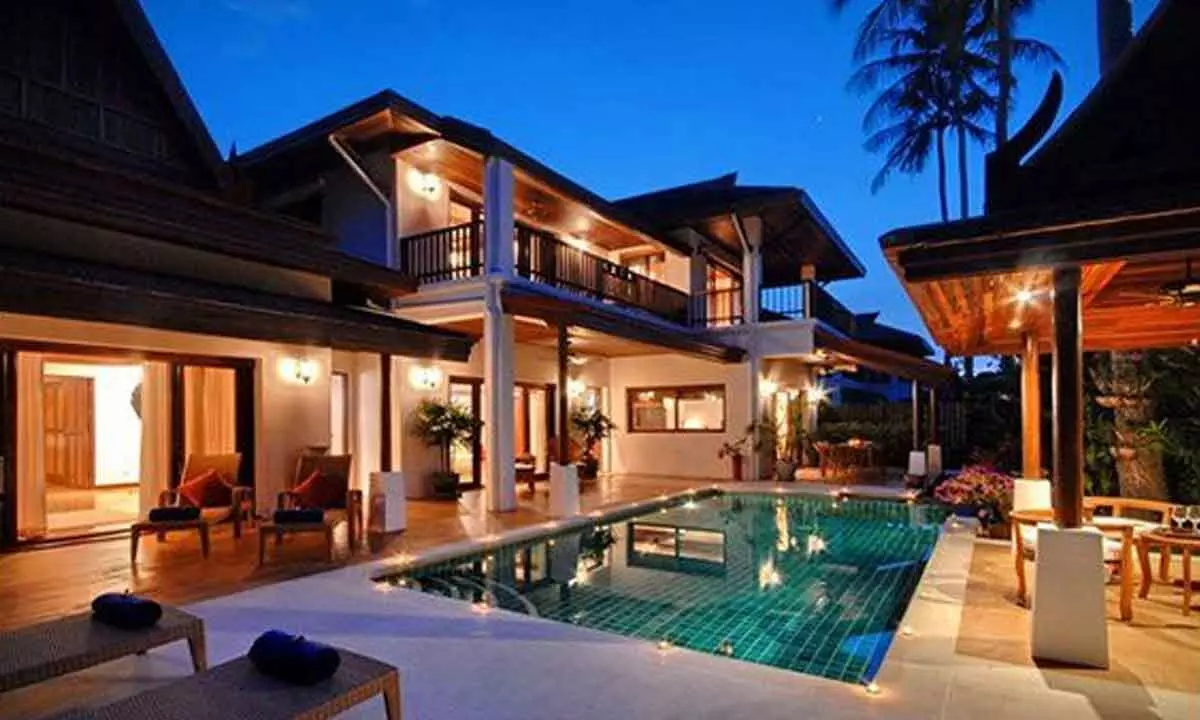
Geographic location plays a crucial role in determining the price of luxury homes. In real estate, the phrase “location, location, location” holds particular significance, especially for high-end properties. Luxury homes are often set in desirable areas that offer unique amenities, prestige, and exclusivity, driving their prices upward.In urban areas, luxury homes typically command higher prices due to their proximity to business districts, cultural landmarks, and entertainment options.
The vibrancy of city life, coupled with the convenience of amenities, draws affluent buyers willing to pay a premium. In contrast, suburban areas may offer larger properties and quieter environments, often at lower price points than their urban counterparts. The appeal of space and tranquility can attract families seeking a luxurious lifestyle outside the bustling city.
Differences in Luxury Home Prices Between Urban and Suburban Areas
Understanding the distinctions in luxury home pricing between urban and suburban regions is vital for potential buyers and investors. Urban luxury homes often benefit from shorter commutes and access to high-end shopping, fine dining, and cultural experiences, which enhances their value.Factors contributing to the higher prices in urban areas include:
- Market Demand: High demand for luxury real estate in urban centers leads to competitive bidding and inflated prices.
- Limited Space: The scarcity of available land in cities means that properties are often built upwards, increasing their value.
- Luxury Amenities: Urban luxury homes often feature high-end amenities such as rooftop gardens, concierge services, and proximity to exclusive clubs and events.
In stark contrast, suburban luxury homes can offer significant advantages, such as:
- More Space: Suburban properties typically provide larger lots and homes, appealing to families desiring more room.
- Affordability: Luxury homes in suburbs often come at a lower price compared to similar properties in cities, allowing buyers to invest in larger or more opulent homes.
- Community Feel: Suburban areas often foster a sense of community with schools, parks, and family-friendly activities, enhancing their desirability for affluent families.
Cities known for their high luxury home prices include:
- New York City: Renowned for its iconic skyline and upscale neighborhoods like Manhattan, where penthouses can reach tens of millions.
- San Francisco: A tech hub with luxury homes in areas like Pacific Heights and Nob Hill, where prices often exceed those in other major cities.
- Los Angeles: The allure of Hollywood and beachfront properties in neighborhoods like Beverly Hills drive high luxury home prices.
- London: With its historic charm and global influence, luxury homes in areas like Kensington and Chelsea attract wealthy buyers from around the world.
This location-based disparity underscores the importance of geographic factors when evaluating luxury home investments.
The Role of Size and Amenities in Determining Luxury Home Prices
In the luxury real estate market, the size of a home and the amenities it offers are pivotal factors that significantly influence pricing. Buyers in this segment are not just looking for a place to live; they seek a lifestyle that is often characterized by spaciousness, comfort, and modern conveniences. The overall square footage and the presence of high-end features can elevate a property’s value, making it essential to understand how these elements contribute to luxury home pricing.The square footage of a luxury home plays a crucial role in its valuation.
Generally, larger homes command higher prices, as they offer more living space and greater potential for customization. High-end amenities, such as gourmet kitchens, expansive living areas, and luxurious bathrooms, further enhance the appeal and market value of a property. Buyers are often willing to pay a premium for additional square footage, especially when it includes desirable features that cater to a modern lifestyle.
Impact of Unique Features on Luxury Home Value
Unique features significantly influence luxury home prices. Homebuyers often look for extras that set a property apart, adding not only convenience but also prestige. The following unique amenities are commonly sought after and add substantial value to luxury homes:
- Swimming Pools: A well-designed pool can transform a backyard into a personal oasis, making it a highly desirable feature that can increase property value significantly.
- Home Theaters: Luxury buyers frequently seek homes equipped with dedicated entertainment spaces, such as home theaters, which provide a cinematic experience at home.
- Smart Home Technology: Integrating smart home systems for security, lighting, and climate control not only enhances convenience but also appeals to tech-savvy buyers, increasing a home’s marketability.
The quality of materials used in construction and finishes also has a profound impact on pricing. High-end finishes and sustainable materials often signify luxury and exclusivity. Buyers are increasingly discerning, looking for properties that showcase attention to detail and craftsmanship. Homes featuring custom cabinetry, marble countertops, or designer appliances are typically appraised at higher values.
“The quality of materials directly correlates with the perceived value of a luxury home, influencing both marketability and price.”
In essence, the size and amenities of luxury homes are critical determinants in their overall pricing. A combination of expansive square footage, unique features, and the quality of materials not only enhances the living experience but also significantly boosts the resale value of these properties. Ultimately, these elements are what make a luxury home not just a residence, but a statement of lifestyle and personal achievement.
Economic Factors Shaping Luxury Home Pricing Trends
The luxury real estate market is significantly influenced by various economic factors that shape pricing trends. Understanding these economic conditions is essential for buyers, sellers, and investors looking to navigate this exclusive segment of the market effectively. Economic indicators such as interest rates, inflation, and employment levels provide insight into the dynamics affecting luxury home prices, with implications that resonate throughout the industry.
Correlation Between Economic Conditions and Luxury Real Estate Prices
The interplay between economic conditions and luxury real estate prices is evident through multiple channels. A strong economy often correlates with rising luxury home prices as consumer confidence grows and disposable income increases. Conversely, economic downturns can lead to a decline in luxury home values. Essential economic indicators that impact the luxury housing market include:
- Interest Rates: Lower interest rates tend to stimulate demand for luxury homes by making mortgages more accessible. For instance, when the Federal Reserve lowers rates, affluent buyers may feel encouraged to invest in higher-priced properties, leading to price surges in certain markets.
- Inflation: As inflation rises, the cost of materials and labor increases, pushing up development costs and, subsequently, luxury home prices. An example can be seen in urban areas where inflation has driven the costs of building luxury condominiums significantly higher.
- Job Market Strength: High employment rates and wage growth often translate into increased demand for luxury homes. Areas with a booming job market, like Silicon Valley, tend to see a significant rise in luxury home sales, as more high-income earners seek premium accommodations.
Impact of Foreign Investments on Luxury Home Prices
Foreign investment plays a crucial role in shaping luxury home prices, particularly in cities that are perceived as global hubs. Wealthy international buyers often seek luxury properties for various reasons, including residence, investment, and portfolio diversification. The following points illustrate the impact of foreign investments:
- Market Stability and Demand: A surge in foreign investment can bolster local luxury markets, providing stability during economic fluctuations. For example, cities like New York and Los Angeles have seen significant price increases due to foreign buyers seeking safe investments in real estate.
- Currency Fluctuations: Favorable exchange rates can make luxury properties more attractive to foreign buyers. When the U.S. dollar weakens against other currencies, international buyers may find American luxury real estate more affordable, thereby driving up prices.
- Regulatory Influences: Changes in government policies regarding foreign ownership can impact luxury home prices. For instance, restrictions on foreign purchases can decrease demand, leading to price corrections in certain markets.
“Luxury real estate pricing is intrinsically linked to economic trends, making it vital for investors to stay informed about market conditions and economic indicators.”
The Effect of Market Demand on Luxury Home Pricing
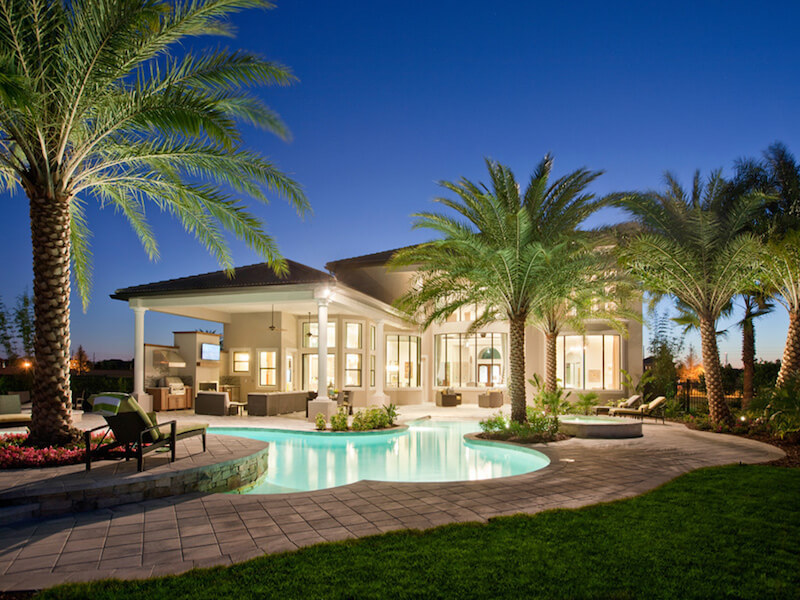
Market demand plays a pivotal role in determining the prices of luxury homes. In a landscape where buyers are often looking for the perfect combination of exclusivity and comfort, the levels of demand can significantly influence pricing strategies. When demand surges, it often leads to higher prices, whereas a decrease in demand can create opportunities for buyers to negotiate better deals.The dynamics of supply and demand are essential when it comes to luxury real estate.
A limited supply of high-end properties combined with a strong demand typically results in increased prices. Conversely, an oversupply in the market may lead to price reductions as sellers compete for attention among buyers. This interplay affects not only the pricing but also the time homes spend on the market.
Seasonal Variations in Luxury Home Sales
Understanding the seasonal variations in luxury home sales is crucial for both buyers and sellers. Generally, luxury properties experience peak selling seasons during spring and summer months. During these periods, more high-net-worth individuals are actively searching for properties, often leading to a spike in prices. In contrast, the winter months typically see a slowdown, as fewer buyers are in the market, which can lead to price stabilization or even reductions.Factors contributing to these seasonal trends include weather conditions, holiday distractions, and the financial calendar of affluent buyers.
A strategic pricing approach during peak seasons can capitalize on increased demand, whereas off-peak times may require more aggressive pricing to attract buyers.
Bidding Wars and Their Impact on Luxury Home Prices
Bidding wars are a common occurrence in competitive luxury real estate markets and can significantly drive up home prices. When multiple prospective buyers express interest in a luxury property, it creates a sense of urgency and competition. This often leads to offers exceeding the listing price, as buyers attempt to outbid one another.For instance, in a competitive market like Los Angeles, a luxury home listed at $3 million might see multiple offers that push the final sale price upwards of $3.5 million.
This phenomenon underscores how the excitement and competition among buyers can lead to inflated pricing, often resulting in properties selling for much more than their initial valuation.
“In a bidding war, emotions can drive prices higher as buyers strive to secure their dream home against competing offers.”
The Importance of Curb Appeal and Interior Design in Luxury Home Valuation
First impressions are crucial when it comes to luxury home valuations. Potential buyers often form their opinions within the first few moments of seeing a property, making curb appeal and interior design significant factors in determining the home’s market value. A well-presented home can not only attract more interest but also command a higher price, reflecting the quality and desirability of the property.Curb appeal encompasses all the visual aspects of a home’s exterior, while interior design focuses on the aesthetic and functional qualities inside.
Together, these elements play a pivotal role in how luxury homes are perceived and valued. Professional staging and thoughtfully designed interiors can enhance the overall appeal, enticing potential buyers and leading to quicker sales at higher prices.
Impact of First Impressions on Pricing
The initial experience of viewing a home significantly influences buyer emotions and, subsequently, their offers. Here are key aspects to consider regarding first impressions:
- Visual Appeal: A beautifully landscaped front yard with eye-catching features like elegant fountains or manicured gardens creates an inviting atmosphere.
- Entryway Design: A grand entrance with high-quality materials, such as marble floors and custom doors, sets a luxurious tone right from the start.
- Lighting: Strategic use of outdoor lighting enhances the home’s features in the evening, making it more attractive at all times of the day.
- Color Schemes: Harmonious color palettes can evoke positive emotions, making buyers feel comfortable and excited about the home.
The Role of Professional Staging
Professional staging is a powerful marketing tool in the luxury real estate sector. It allows sellers to present their homes in the best possible light, often leading to higher sale prices. Consider the following benefits of staging:
- Maximized Space: Staging can demonstrate the home’s potential by showcasing how rooms can be utilized, helping buyers visualize living in the space.
- Neutralization: A staged home often features a neutral decor style that appeals to a broader audience, making it easier for buyers to imagine their own belongings in the space.
- Highlighting Features: Stagers focus on accentuating the home’s best attributes, such as architectural details or views, drawing attention to what makes the property unique.
- Emotional Connection: Well-staged homes foster emotional connections as they create inviting atmospheres where potential buyers can envision their future.
Techniques for Enhancing Curb Appeal
Enhancing curb appeal can significantly impact the offers received on a luxury home. Here are some effective techniques to consider for elevating a property’s exterior presentation:
- Landscaping: Investing in professional landscaping can transform the outdoor space, adding value through lush greenery and colorful flower beds.
- Exterior Maintenance: Ensuring the exterior is well-maintained, including fresh paint, clean gutters, and repaired pathways, contributes to an overall impression of care.
- Outdoor Living Spaces: Adding or improving decks, patios, or outdoor kitchens can enhance usability and appeal, making the home more attractive to buyers.
- Architectural Features: Incorporating unique architectural elements, such as decorative shutters or stylish railings, can add character and charm to the home’s exterior.
Understanding Luxury Home Appraisals and Market Assessments
Appraising luxury homes is a nuanced process that requires an understanding of various market dynamics and property features. It plays a crucial role in accurately pricing luxury properties, ensuring that buyers and sellers have a fair representation of value. An appraisal not only helps in the financial aspects, such as securing a mortgage, but also sets realistic expectations for everyone involved in the transaction.Appraisers utilize a range of methodologies and criteria to assess the value of luxury homes, taking into consideration both quantitative and qualitative factors.
The primary approach often involves a comparative market analysis, where recent sales of similar luxury properties are examined. This method helps in establishing a baseline value while also accounting for the unique attributes that differentiate one property from another.
Do not overlook the opportunity to discover more about the subject of houses for sale in florida.
Factors Considered in Luxury Home Valuations, Luxury home price
Several key factors influence the appraisal of luxury homes. Understanding these elements provides insight into how appraisers determine value in this segment of the market:
- Location: Proximity to desirable amenities, prestigious schools, and scenic views significantly impact a home’s value. Neighborhood trends and historical appreciation rates are critical considerations.
- Size and Layout: The total square footage and the efficiency of the layout can dictate pricing. Luxurious homes often have expansive floor plans, but functionality also plays a role in their appeal.
- Quality of Construction: High-end materials, energy-efficient systems, and craftsmanship are evaluated to ensure that the home reflects luxury standards. Appraisers assess whether the property meets or exceeds market expectations.
- Amenities: Unique features such as pools, home theaters, and smart home technology add to the property’s appeal and value. Appraisers carefully analyze the relevance and desirability of these amenities in the market.
- Market Trends: Current economic conditions, interest rates, and buyer demand can shift values. Appraisers stay informed about market fluctuations to provide an accurate assessment reflective of current trends.
“The value of a luxury home is not just about its features but also about the lifestyle it offers.”
Common Misconceptions about Luxury Home Appraisals
There are several misunderstandings surrounding luxury home appraisals that can mislead homeowners and buyers alike:
- Appraisals are Just Formulas: Many believe appraisals rely solely on mathematical calculations. In reality, they incorporate subjective evaluations of the property and its setting.
- All Appraisers are Equal: Not all appraisers have equal expertise in luxury properties. It’s essential to choose appraisers with specific experience in the luxury market to ensure accurate assessments.
- Price Equals Value: Some assume that the asking price of a luxury home reflects its appraisal value. However, market dynamics and buyer negotiation can significantly influence the final sale price.
- Physical Condition is the Sole Factor: While the condition of the home is crucial, appraisers also consider market demand and economic trends, which can overshadow physical details in some cases.
The Evolution of Luxury Home Styles and Their Impact on Pricing
The evolution of luxury home styles reflects changing societal preferences, technological advancements, and cultural influences. As architectural trends shift, they inevitably affect the valuation and desirability of luxury residences, leading to price variations that keep pace with consumer demands and market dynamics. Understanding these trends provides insight into how luxury home pricing is shaped over time.
Architectural trends play a vital role in influencing luxury home prices. Styles evolve in response to environmental concerns, lifestyle preferences, and economic factors, resulting in homes that not only serve as living spaces but also reflect the owners’ values and aspirations. Key styles such as modern minimalism, traditional grandeur, and eco-friendly designs illustrate how these trends impact perceived value in the luxury market.
Architectural Trends and Their Influence on Pricing
As luxury home styles evolve, certain architectural features become synonymous with high-end living. The following are prominent styles and their associated market valuations:
- Modern Minimalism: Characterized by clean lines, open spaces, and a focus on functionality, modern minimalism appeals to those who value simplicity and elegance. Homes in this style often command higher prices due to their contemporary aesthetic and integration with technology.
- Georgian and Colonial Revival: These traditional styles exude grandeur with their symmetrical designs, classical columns, and ornate details. Properties styled in this manner often see premium pricing due to their timeless appeal and historical significance.
- Mid-Century Modern: Known for its innovative use of materials and connection with nature, this style has gained renewed interest, driving prices up as buyers look for unique and authentic design elements.
- Eco-Friendly Designs: The rise of sustainability has led to eco-conscious luxury homes that incorporate energy-efficient systems, sustainable materials, and designs that harmonize with nature. These homes often attract a premium valuation due to their reduced environmental impact.
The impact of sustainability on luxury home pricing cannot be overstated. Eco-friendly designs are not only appealing to a growing demographic that prioritizes environmental responsibility but also often lead to reduced utility costs and enhanced comfort. Features such as solar panels, green roofs, and energy-efficient appliances enhance property value, as they meet the demands of a more informed and conscientious buyer market.
“Sustainable luxury is not just a trend; it’s a transformation of how we perceive value in real estate.”
In summary, as architectural styles adapt to reflect contemporary values, luxury home pricing responds accordingly. Buyers are increasingly willing to invest in homes that exemplify modern design principles and sustainable practices, reinforcing the dynamic relationship between style evolution and market valuation in the luxury real estate sector.
Marketing Strategies That Influence Luxury Home Prices
In the competitive world of luxury real estate, effective marketing strategies play a crucial role in influencing home prices. Luxury homes require a unique approach that emphasizes exclusivity, quality, and lifestyle. Implementing targeted marketing techniques can significantly enhance the perceived value of these properties, ultimately leading to quicker sales and higher selling prices.High-quality photography and virtual tours are pivotal in attracting potential buyers to luxury homes.
Exceptional visual content not only showcases the property’s features but also creates an emotional connection, allowing buyers to envision themselves in the space. High-resolution images that highlight the architecture, interior design, and outdoor spaces can captivate an audience, often making a lasting impression that translates to increased interest and higher offers.
Importance of High-Quality Visuals
Visual elements are essential in luxury home marketing, as they have the power to convey the property’s ambiance and style effectively. The following points Artikel why high-quality photography and virtual tours are critical:
- Emotional Appeal: Stunning visuals evoke emotions and help potential buyers imagine their future lifestyle, leading to a stronger desire to purchase.
- First Impressions: In luxury real estate, buyers often base their decisions on initial visuals. High-quality images can create a powerful first impression that encourages further interest.
- Showcasing Unique Features: Detailed photography captures the craftsmanship, design elements, and unique selling points of a luxury home, making it stand out in a crowded market.
- Accessibility: Virtual tours provide a 24/7 open house experience, allowing potential buyers to explore properties at their convenience, which can speed up the decision-making process.
Comparison of Traditional Marketing and Digital Marketing
In the luxury real estate sector, the choice between traditional and digital marketing approaches can significantly impact the effectiveness of a marketing strategy. While traditional methods have their place, digital marketing offers unparalleled opportunities for targeting and engaging potential buyers.
- Reach and Targeting: Digital marketing allows for precise targeting of specific demographics based on interests, behaviors, and geographic locations, enhancing the likelihood of connecting with the right buyers.
- Cost-Effectiveness: Digital campaigns often cost less than traditional ad placements, allowing for more flexible budgets and the ability to track ROI more accurately.
- Interactive Content: Digital marketing utilizes engaging formats such as videos, virtual tours, and social media interactions, fostering a more engaging experience for potential buyers.
- Data Analytics: Digital platforms provide analytics and insights that help marketers refine strategies and understand buyer preferences, leading to more effective campaigns.
Incorporating both traditional and digital marketing strategies can create a holistic approach that leverages the best of both worlds. By combining the tactile experience of traditional print materials with the expansive reach of digital platforms, luxury homes can achieve maximum visibility and appeal in the marketplace.
End of Discussion
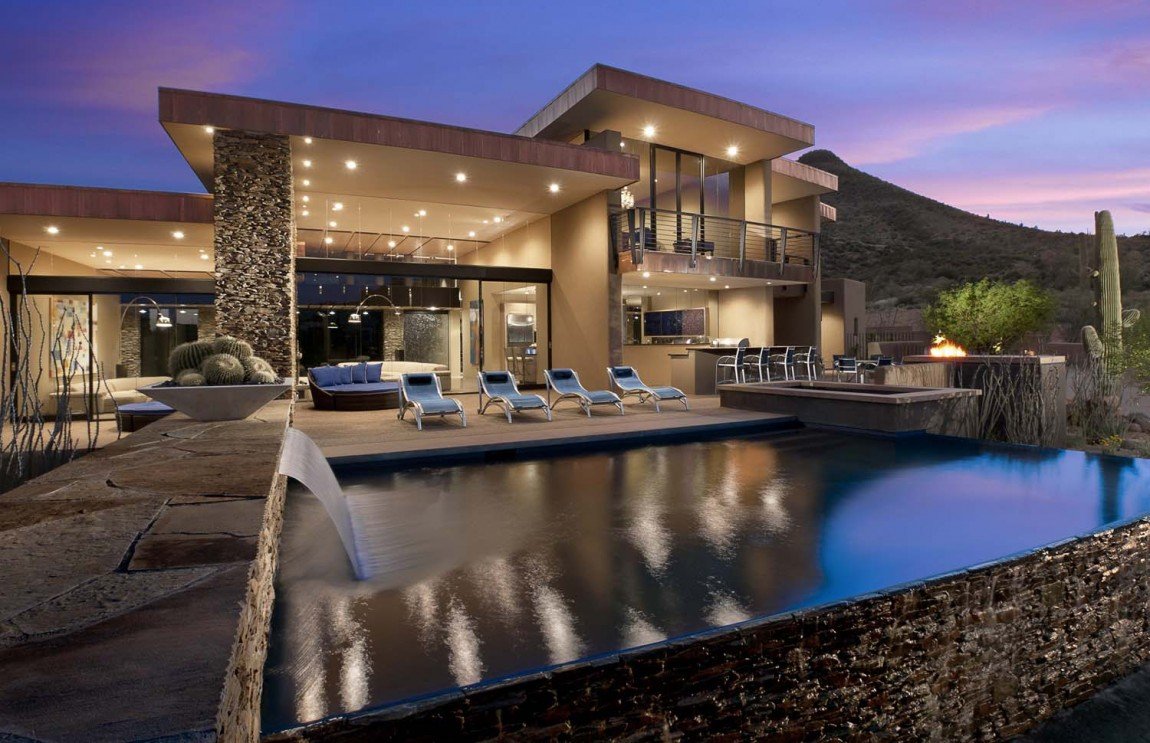
In conclusion, the luxury home price is influenced by a myriad of factors that extend beyond mere square footage or location. Recognizing the interplay between economic trends, buyer demand, and the unique attributes of each property can empower buyers and sellers alike. As the market continues to evolve, staying informed will be key to making savvy real estate decisions in the luxury sector.
Detailed FAQs
What factors most significantly affect luxury home prices?
Location, size, amenities, and market demand are the primary factors that influence luxury home prices.
How does foreign investment impact luxury home prices?
Foreign investment can drive up prices in certain markets due to increased demand, particularly in desirable locations.
Are luxury home appraisals different from regular home appraisals?
Yes, luxury home appraisals consider unique features and high-end materials that standard appraisals may not account for.
How can curb appeal affect the selling price of a luxury home?
Enhanced curb appeal can create positive first impressions and lead to higher offers from potential buyers.
What role does staging play in selling luxury homes?
Professional staging can effectively showcase a luxury home’s features, making it more appealing and potentially increasing its market value.