Buy luxury homes, and step into a world where elegance meets comfort, making every day feel extraordinary. In today’s market, luxury homes are more than just residences; they embody a lifestyle filled with unique features, sophisticated designs, and modern amenities that appeal to discerning buyers. With trends shifting towards sustainability and technology, the allure of these high-end properties continues to grow, attracting those seeking both investment opportunities and dream homes.
The current landscape of luxury real estate is shaped by various factors, including market statistics that highlight impressive sales in prestigious neighborhoods. Buyers now have more options than ever, with diverse financing methods and technological advancements enhancing the purchasing experience.
The allure of luxury homes in today’s market
The luxury home market continues to captivate buyers with its unique charm and sophistication. As individuals seek both comfort and status, luxury homes offer a blend of opulence and cutting-edge design that elevates the living experience. This allure is characterized by various distinctive features and current market trends that significantly influence buyer preferences.One primary allure of luxury homes is their exceptional features, which often include expansive layouts, high-end finishes, and unique architectural designs.
Many luxury properties boast amenities such as gourmet kitchens with top-tier appliances, spa-like bathrooms, home theaters, and smart home technology, ensuring convenience and comfort for their residents. Moreover, prime locations that offer stunning views, proximity to elite schools, and exclusive access to recreational facilities further enhance the desirability of these homes.
Current market trends and statistics
The luxury real estate market is currently experiencing notable trends that shape buyer behavior. A growing interest in eco-friendly homes has led to an increase in demand for properties that integrate sustainable practices and energy-efficient technologies. Additionally, remote work has encouraged buyers to seek larger homes in suburban or rural areas, where space and tranquility are prioritized.Recent statistics from sources like the National Association of Realtors indicate a surge in luxury home sales across various regions.
For instance, in metropolitan areas such as Los Angeles and New York City, luxury home sales have risen by over 20% in the past year, demonstrating a robust demand for high-end properties. Furthermore, markets in emerging regions like Austin, Texas and Miami, Florida are also witnessing significant price increases and competitive bidding wars, reflecting a shift in buyer interest toward these locales.In summary, the allure of luxury homes is underscored by their unique features, contemporary market trends, and compelling statistics that showcase a thriving demand.
As buyers continue to invest in these high-end properties, the luxury real estate landscape remains dynamic and appealing.
Essential factors to consider when buying a luxury home: Buy Luxury Homes
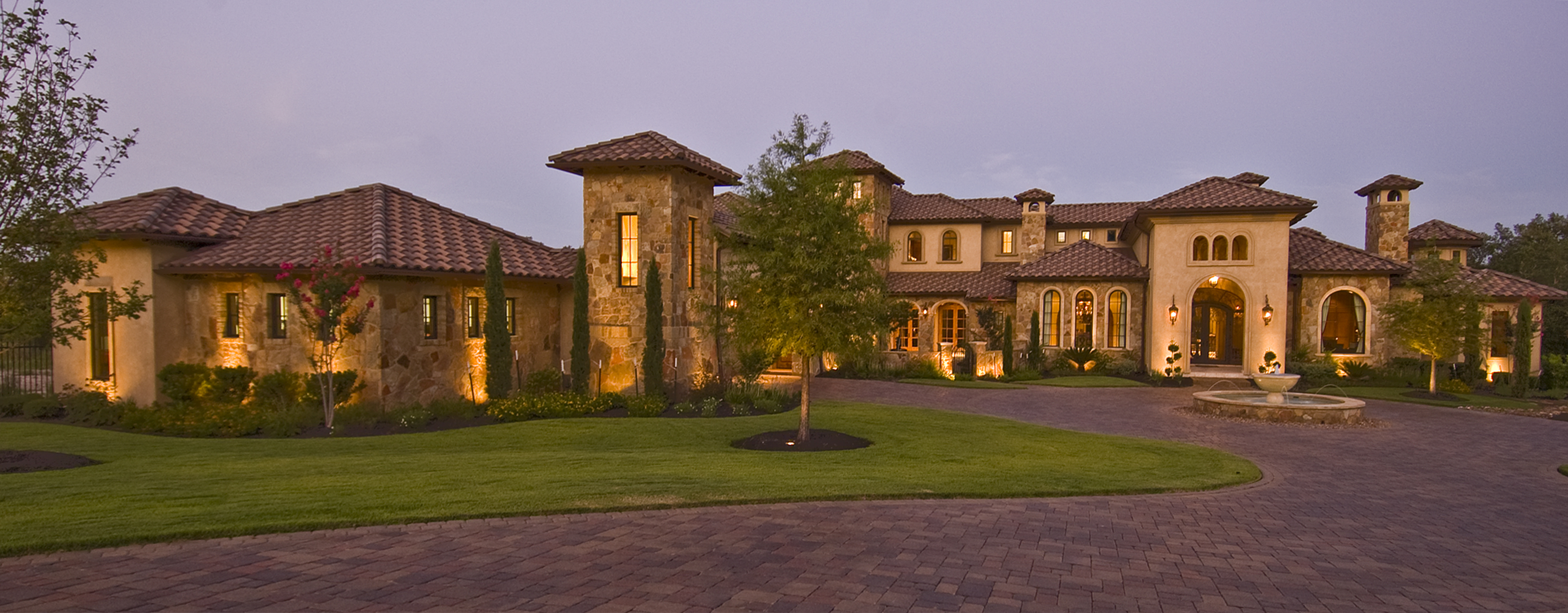
Acquiring a luxury home is not just a simple transaction; it’s an investment in a lifestyle, a sanctuary, and a statement of sophistication. When navigating the luxury real estate market, various essential factors come into play that can significantly influence your buying decision. From the location of the property to the amenities it offers, understanding these elements can guide you toward making an informed choice.Location is arguably one of the most critical aspects when it comes to luxury home purchasing.
The right location not only enhances the overall living experience but also affects the property’s long-term value. High-demand areas often yield higher returns on investment, making it essential to consider proximity to key amenities, views, safety, and future development plans.
Significance of Location in Luxury Home Value
The location of a luxury property serves as a foundation for its market value and desirability. Here are several crucial considerations regarding location:
- Proximity to Amenities: Being close to high-end restaurants, shopping centers, cultural institutions, and recreational facilities can enhance both your lifestyle and the home’s value.
- Scenic Views and Natural Features: Properties that offer breathtaking views of oceans, mountains, or cityscapes tend to attract buyers and command higher prices.
- Neighborhood Safety: Luxury buyers prioritize areas with low crime rates, contributing to a sense of security and peace.
- Access to Transportation: Proximity to major highways, airports, and public transportation can significantly increase the appeal of a luxury home, particularly for those who travel frequently.
- School District Quality: For families, being in a reputable school district can not only enhance lifestyle but also increase property value as homes in excellent school districts tend to have higher demand.
Impact of Property Amenities on Lifestyle
The amenities that come with a luxury home play a pivotal role in shaping the living experience. They not only provide comfort and convenience but also enhance the property’s allure. Luxury homes typically offer a range of amenities that cater to a more affluent lifestyle. Understanding the importance of these features can significantly affect your decision-making process. Here are some notable amenities often found in luxury properties:
- Smart Home Technology: Integrated systems that allow homeowners to control lighting, security, heating, and entertainment from smartphones contribute to modern convenience.
- Outdoor Living Spaces: Features such as expansive patios, outdoor kitchens, and landscaped gardens encourage a lifestyle centered around relaxation and entertaining.
- Private Pools and Spas: These amenities are often seen as non-negotiable luxuries, providing a personal retreat right at home.
- Fitness Centers: In-home gyms or access to community fitness facilities can significantly enhance a homeowner’s lifestyle, promoting health and wellness.
- High-End Finishes: Superior materials and craftsmanship, such as marble countertops, custom cabinetry, and top-of-the-line appliances, reflect the quality of the property and influence its market appeal.
Understanding the essential factors of location and amenities can ensure that your investment aligns with your lifestyle expectations and financial goals. By considering these elements thoughtfully, you’ll be well-equipped to navigate the luxury home buying process with confidence.
Financing options available for luxury home buyers
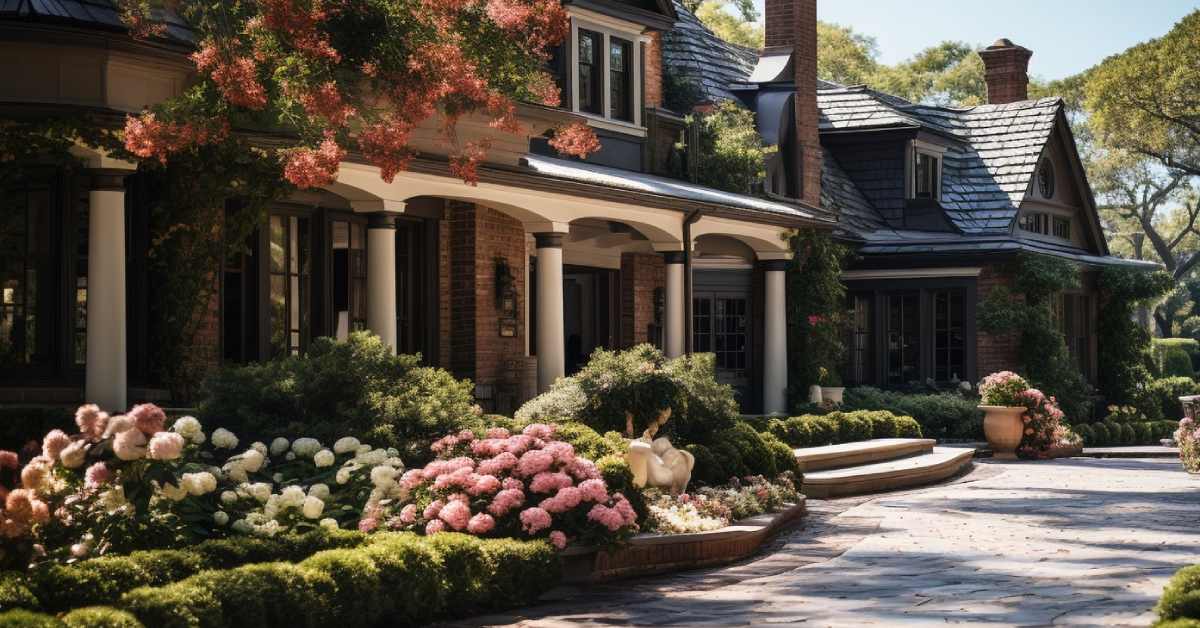
In the world of high-end real estate, financing options are tailored to meet the unique needs of luxury home buyers. Understanding the variety of funding methods available can significantly impact the purchasing process and overall financial strategy. This segment delves into the financing avenues that luxury home buyers can explore, considering both traditional and alternative methods.
Traditional Loans versus Alternative Financing
When it comes to financing luxury properties, buyers often weigh traditional loans against alternative financing options. Traditional loans, typically offered by banks and credit unions, come with terms that most buyers are familiar with, such as fixed or adjustable interest rates and standard repayment schedules. However, the luxury market presents unique challenges that sometimes require more specialized financing solutions.Alternative financing options can include:
- Jumbo Loans: These loans exceed the conforming loan limits set by Fannie Mae and Freddie Mac, making them a go-to choice for luxury homes. They often come with stricter credit score requirements and higher down payments.
- Portfolio Loans: Offered by lenders who keep the loans on their balance sheets rather than selling them, portfolio loans may be more flexible in terms of qualifications and terms, appealing to buyers with complex financial situations.
- Seller Financing: In some cases, sellers may agree to finance the purchase themselves, allowing buyers to bypass traditional lenders. This can be an attractive option if the buyer can negotiate favorable terms.
- Investment Property Financing: For buyers purchasing luxury homes as investments, different financing options may apply, focusing on potential rental income and property appreciation rather than personal income and credit scores.
Understanding these financing options allows buyers to choose the best path based on their financial landscape.
Impact of Credit Scores on Luxury Home Financing
Credit scores play a crucial role in securing financing for luxury homes. Generally, buyers seeking luxury properties need to present stronger credit profiles than those purchasing standard homes. A higher credit score not only improves the likelihood of loan approval but also secures more favorable terms, such as lower interest rates.Key points regarding credit scores and luxury home loans include:
- Minimum Credit Score Requirements: Most lenders require a credit score of at least 700 for jumbo loans, while higher scores can lead to better interest rates and reduced down payments.
- Debt-to-Income Ratios: Lenders examine the ratio of monthly debt payments to gross monthly income. A lower debt-to-income ratio can enhance a buyer’s chances of approval, especially in the luxury market.
- Credit History: A robust credit history, marked by timely payments and low credit utilization, can significantly affect the decision-making process of lenders when financing luxury homes.
Ensuring a strong credit score can facilitate smoother negotiations and provide buyers with the leverage needed in the luxury real estate market.
Navigating the process of purchasing a luxury home
The journey to owning a luxury home is an exciting yet intricate process, often requiring careful planning and strategic decision-making. To ensure a seamless experience, it’s essential to understand the various steps involved in purchasing a luxury property, from the initial search to the closing process.Navigating the luxury real estate market involves several key steps. First, buyers need to conduct a thorough search to identify suitable properties that meet their criteria.
This includes evaluating location, amenities, and overall investment potential. Once a property is selected, buyers must negotiate terms, conduct inspections, secure financing, and ultimately finalize the purchase agreement. Each step requires attention to detail and an understanding of the luxury market dynamics.
Steps involved in buying a luxury property
Understanding the essential steps in acquiring a luxury home is critical to ensure a smooth transaction. Here are the key phases to consider:
- Identifying Needs and Preferences: Determine what features are non-negotiable, such as number of bedrooms, outdoor space, or proximity to schools and amenities.
- Engaging a Luxury Real Estate Agent: Collaborating with an experienced agent familiar with high-end properties ensures access to exclusive listings and expert negotiation skills.
- Property Search and Tours: Visit various properties to get a feel for the market and what luxury truly means within your budget.
- Making an Offer: Understand the nuances of luxury real estate negotiations, which can differ significantly from standard home purchases.
- Conducting Due Diligence: This includes property inspections, appraisals, and reviewing disclosures to avoid any surprises after purchase.
- Closing the Deal: Work closely with your agent and a real estate attorney to ensure all paperwork is in order and the transaction is completed smoothly.
Working effectively with luxury real estate agents
Luxury real estate agents play a pivotal role in the home-buying process, providing expertise and guidance. It’s essential to establish a productive working relationship with your agent for optimal results.
- Clear Communication: Be transparent about your needs, budget, and timelines to help your agent narrow down options effectively.
- Trust Their Expertise: Rely on their knowledge of the luxury market, advising on pricing, property values, and potential investment opportunities.
- Regular Updates: Request updates on new listings, market trends, and opportunities that might fit your criteria to stay informed.
- Be Respectful of Their Time: Understand that agents often juggle multiple clients and properties; punctuality and preparation can lead to a more efficient process.
Challenges faced during the purchase process
While navigating the luxury home market can be rewarding, several challenges may arise. Being aware of these can help you prepare and mitigate potential issues.
- High Competition: Luxury properties can see multiple offers; therefore, being prepared to act quickly and strategically is vital.
- Financing Hurdles: Securing financing can be more complex for luxury homes due to larger loan amounts and stricter lender requirements.
- Market Volatility: Luxury real estate can be affected by economic shifts, which may impact property values and investment potential.
- Inspection Issues: Older luxury homes may require extensive renovations; understanding the implications of structural issues or outdated systems is key.
Being well-prepared and informed can significantly ease the luxury home buying process, turning potential challenges into manageable tasks.
The role of technology in luxury home buying experiences
The integration of technology in the luxury real estate market has revolutionized how buyers approach their home search. With advancements in virtual reality, smart home technology, and innovative tools, the buying experience has become more efficient and tailored to the needs of discerning clients. This shift not only makes the process more engaging but also helps buyers make informed decisions from the comfort of their current residences.Virtual tours and digital listings have transformed the luxury home buying process.
Buyers can now explore properties in detail without physically visiting them, which is particularly beneficial for high-end markets where clients may be located across the globe. These virtual experiences allow potential buyers to walk through homes, examine layouts, and appreciate design elements in a way that traditional photographs cannot capture.
Obtain a comprehensive document about the application of Cheap Mobile Homes for Sale in Palm Beach County that is effective.
Virtual Tours and Digital Listings
The significance of virtual tours and comprehensive digital listings lies in their ability to showcase properties in a more immersive manner. By utilizing high-quality 3D renderings and interactive features, buyers can gain a thorough understanding of the space.
- 3D Virtual Tours: These provide a realistic walkthrough experience, allowing buyers to visualize themselves in the property and explore different rooms at their own pace.
- High-Resolution Images: Detailed photographs help highlight luxury finishes and unique features, making it easier for buyers to appreciate the property’s value.
- Video Walkthroughs: These engaging videos can capture the essence of a property and neighborhood, offering a sneak peek into the lifestyle that comes with the home.
Smart home technology has become an increasingly important aspect of luxury properties and significantly influences buyer preferences. Modern luxury homes are often equipped with advanced features that enhance comfort, security, and efficiency.
Smart Home Technology Impact
The presence of smart home technology elevates the living experience and adds to the property’s appeal in the competitive luxury market. A well-integrated smart home system can provide buyers with convenience and peace of mind.
- Home Automation: Systems that integrate lighting, climate control, and security into a single platform allow for seamless management of the home environment.
- Energy Efficiency: Smart thermostats and energy monitoring devices help homeowners reduce utility costs while minimizing their carbon footprint.
- Enhanced Security: Features such as smart locks, security cameras, and motion sensors offer buyers a higher level of protection and remote monitoring capabilities.
Innovative tools have also emerged to aid in the luxury home search, making the buying process more streamlined and informative. These tools cater to the specific needs of luxury buyers, offering them valuable insights and enhancing their overall experience.
Innovative Tools for Luxury Home Search
The following tools are redefining the luxury home buying experience, providing personalized assistance and essential market insights.
- Market Analysis Software: Tools that provide real-time data on property values and market trends help buyers make informed decisions based on current conditions.
- A.I.-Driven Recommendations: Algorithms analyze buyer preferences and suggest properties that align with their interests, simplifying the search process.
- Mobile Apps: Many real estate agencies offer mobile applications that allow buyers to view listings, contact agents, and schedule tours directly from their devices.
The blend of technology with luxury home buying creates an experience that is not only more efficient but also tailored to meet the expectations of modern buyers. As technology continues to advance, it will likely play an even more prominent role in shaping the future of luxury real estate transactions.
The importance of home inspections in luxury real estate transactions
In the realm of luxury real estate, home inspections serve as a critical component of the purchasing process. These high-end properties often come with sophisticated features, unique designs, and extensive amenities that necessitate a detailed examination. A thorough inspection can uncover hidden issues that might not be immediately apparent, safeguarding buyers from potential costly repairs down the road.Luxury homes typically boast complex systems and high-end finishes that require specialized knowledge during inspections.
For instance, the intricate HVAC systems, custom plumbing installations, and high-quality roofing materials must be evaluated meticulously. Additionally, some luxury properties may have unique elements like swimming pools, extensive landscaping, or advanced home automation systems that warrant thorough scrutiny to ensure functionality and compliance with safety standards.
Specific aspects requiring thorough inspection, Buy luxury homes
The following aspects are critical to evaluating when conducting a luxury home inspection. Each item plays a significant role in determining the overall value and safety of the property:
- Structural Integrity: Assessing the foundation, framing, and overall construction quality is essential, especially in homes with modern architectural designs.
- Roof Condition: The age and material of the roofing should be inspected for wear and potential leaks, particularly in regions with severe weather.
- Electrical Systems: High-end homes often have complex electrical systems that require verification for safety and compliance with current codes.
- Plumbing Systems: Inspecting for leaks, water pressure, and the quality of fixtures is critical, ensuring that luxury bathroom and kitchen amenities function properly.
- HVAC Systems: The heating and cooling systems should be examined for efficiency and age, given their importance in maintaining comfort in luxury accommodations.
- Basements and Attics: These areas should be checked for moisture issues, insulation quality, and pest infestations that could lead to larger problems.
- Landscaping and Outdoor Features: Pools, fountains, and outdoor kitchens require assessment for functionality and maintenance needs.
Skipping a home inspection in a luxury property deal can lead to significant risks, including unexpected repair costs that can run into tens or even hundreds of thousands of dollars. High-end homes may appear flawless at first glance, but underlying issues could cause considerable financial strain post-purchase. Potential buyers should remember that even new constructions can harbor problems that might only be revealed through an exhaustive inspection process.
To aid buyers in their home inspection efforts, here’s a useful checklist of items that should be carefully evaluated:
Luxury home inspection checklist
Having an organized checklist can streamline the inspection process in luxury real estate transactions. This list serves as a guide to ensure all critical components are assessed:
- Exterior: Foundation, siding, roofing, gutters, and windows.
- Interior: Walls, ceilings, doors, flooring, and staircases.
- Systems: Electrical, plumbing, HVAC, and security systems.
- Appliances: Quality and condition of built-in appliances and fixtures.
- Outdoor Amenities: Pool, landscaping, outdoor living spaces, and irrigation systems.
- Environmental Concerns: Mold, asbestos, radon gas, and pest infestations should be tested for.
A comprehensive home inspection is invaluable in luxury real estate transactions, providing buyers with peace of mind and a clear understanding of their investment. By prioritizing this step, individuals can ensure they are making informed decisions and protecting their financial interests in the luxury property market.
Understanding the luxury home market’s geographical variations

In the luxury real estate market, geographical location plays a pivotal role in defining property value, desirability, and overall market trends. Each region carries its own set of unique characteristics that can significantly influence the luxury home-buying experience. Understanding these geographical variations is crucial for buyers looking to invest wisely in a luxury property.The luxury home market is not uniform; rather, it is influenced by a combination of local economies, cultural nuances, and even historical factors.
Regions with thriving economies, vibrant cultural scenes, and desirable climates tend to see higher demand and, consequently, elevated home prices. In contrast, areas facing economic challenges may struggle to maintain luxury home values.
Regional characteristics affecting luxury real estate
Examining how specific regions can impact the luxury real estate landscape reveals a multitude of factors that both buyers and sellers should consider.
- Urban versus Suburban Dynamics: Metropolitan areas often boast high-density living, with luxury high-rises and penthouses offering stunning views and proximity to amenities. In contrast, suburban areas may present sprawling estates and larger lots, appealing to those seeking space and privacy.
- Local Economy: Cities with booming industries, such as tech hubs like Silicon Valley or finance centers like New York City, attract affluent buyers, driving up demand and prices in the luxury market. Conversely, regions with economic downturns reflect lower property values.
- Cultural Influences: Areas with rich cultural offerings—art galleries, theaters, and gourmet restaurants—often see a rise in luxury home prices as buyers seek not just a home, but a lifestyle. Cities like Los Angeles and Miami thrive on their cultural diversity and entertainment industries.
- Climate and Geography: Coastal regions tend to have unique appeal due to their picturesque views and recreational opportunities, often leading to premium pricing. For example, luxury homes in Malibu or the Hamptons command higher prices due to their oceanfront locations.
- Historical Significance: Areas with historical value or prestigious neighborhoods, such as San Francisco’s Nob Hill or Washington D.C.’s Georgetown, often see higher demand, making historical properties highly sought after in the luxury market.
“The value of a luxury home is not solely determined by its size or features but deeply rooted in the local context and the lifestyle it offers.”
Understanding these geographical variations allows luxury home buyers to make informed decisions, tailoring their choices to align with their personal preferences and investment goals. Knowledge of the local market dynamics can lead to successful negotiations and ultimately, a satisfying purchase in the luxury real estate sector.
The long-term investment potential of luxury homes
Investing in luxury homes can be an attractive opportunity for those looking to diversify their portfolios. Historically, luxury properties have shown impressive appreciation rates compared to their more modest counterparts. Understanding the long-term investment potential of these upscale residences requires examining various factors that contribute to their value over time.Appreciation rates of luxury properties often outpace standard real estate, making them appealing investments.
According to data from the National Association of Realtors, luxury homes experienced an average annual appreciation rate of around 5-6% over the past decade, outperforming the overall real estate market, which saw average gains of about 3-4%. This trend supports the notion that luxury homes can serve as a stable and profitable investment.
Factors Contributing to the Long-term Value of Luxury Homes
Several key elements significantly influence the long-term value of luxury homes. Understanding these factors can provide potential buyers with insights into making sound investment decisions.
- Location: Prime locations with desirable amenities, access to quality schools, and proximity to cultural hotspots are crucial for maintaining high property values.
- Market Demand: The demand for luxury real estate in specific areas can fluctuate based on economic conditions, yet high demand often leads to sustained price appreciation.
- Property Condition and Upgrades: Well-maintained properties with modern upgrades tend to retain and increase in value, attracting affluent buyers looking for turn-key homes.
- Unique Features: Homes with distinctive architectural designs, historical significance, or luxury features such as home automation systems or extensive outdoor spaces often perform better in the long run.
- Economic Trends: Broader economic indicators, including job growth and interest rates, influence luxury home investment potential; strong economies typically correlate with rising luxury home values.
The combination of location, unique features, and market demand plays a pivotal role in determining the long-term investment potential of luxury properties.
Case Studies of Significant Returns on Luxury Home Investments
Examining real-life examples of luxury home investments that yielded substantial returns can further illustrate the potential profitability of this market. One notable case is a luxury property in Beverly Hills, California, purchased for $10 million in 2010. After extensive renovations, the home was sold in 2018 for $20 million, illustrating a remarkable appreciation of 100% in just eight years. Another example is a penthouse apartment in New York City that was acquired for $25 million in 2012.
By 2021, the property was valued at approximately $40 million, reflecting a 60% increase over nine years, driven by the penthouse’s exclusive amenities and prime Central Park views. These case studies exemplify how strategic investments in luxury homes, particularly in sought-after locations, can lead to impressive financial gains over time.
How to personalize and renovate a luxury home after purchase
Transforming a luxury home into a personal oasis requires a thoughtful approach to design and renovation. Personalization not only reflects individual tastes but also enhances the overall aesthetic of the property. When considering renovations, it is essential to balance personal preferences with elements that will increase the home’s value over time, ensuring that the investment pays off in the long run.Selecting design elements that elevate the luxury aesthetic of a home involves a keen eye and an understanding of current trends.
Key elements to consider include:
Choosing Design Elements for Luxury Aesthetics
To create a cohesive luxury atmosphere, it is important to focus on high-quality materials and sophisticated details. Here are some tips for selecting design elements:
- Opt for Natural Materials: Incorporate elements like marble, hardwood, and stone to add elegance and warmth to your space.
- Incorporate Custom Lighting: Unique chandeliers or designer fixtures can serve as statement pieces that enhance the overall ambiance.
- Focus on Color Palette: Choose a sophisticated color scheme that reflects modern trends, such as deep jewel tones or neutral palettes with bold accents.
- Invest in Custom Furnishings: Tailor furnishings to your style; bespoke pieces can provide a uniqueness that mass-produced items lack.
- Enhance Outdoor Spaces: Landscaping and high-end outdoor furniture can create inviting outdoor living areas that extend the home’s luxury feel.
The value of custom renovations extends beyond mere aesthetics; they can significantly increase the property’s worth. Unique features tailored to discerning tastes often attract affluent buyers, making these upgrades a smart financial decision.
Value of Custom Renovations
Custom renovations not only enhance personal enjoyment but also bolster the property’s market appeal.
“High-end renovations can yield a return on investment that meets or exceeds standard renovations, particularly when they align with current market demands.”
Examples of luxury renovations that exemplify modern trends include:
- Smart Home Integrations: Adding state-of-the-art technology for security, lighting, and climate control enhances both convenience and appeal.
- Home Gyms and Spas: Creating personal wellness spaces reflects a growing trend towards health and wellness in luxury living.
- Open Concept Living: Removing walls to create spacious, airy living areas appeals to contemporary buyers seeking connectivity and light.
- Gourmet Kitchens: High-end appliances and custom cabinetry in the kitchen can serve as a focal point for home gatherings.
- Outdoor Entertainment Areas: Features like pools, kitchens, and fire pits cater to a lifestyle of leisure and entertainment.
Personalizing and renovating a luxury home is an exciting opportunity to reflect personal style and elevate the overall value of the property. By focusing on high-quality design elements and thoughtful renovations, homeowners can construct a living space that is both exquisite and financially advantageous.
The influence of eco-friendly features in luxury home buying decisions
The luxury real estate market is increasingly embracing sustainability, reflecting a shift in consumer values towards eco-conscious living. As affluent buyers become more aware of environmental issues, the demand for homes that not only offer elegance but also promote ecological responsibility is on the rise. This trend is reshaping the luxury market, making eco-friendly features a significant consideration for prospective buyers.Sustainability in luxury homes is not merely a trend; it has become an essential criterion for many buyers.
The integration of eco-friendly features can enhance the home’s appeal and potentially increase its market value. Buyers looking for luxury properties are now more inclined to invest in homes with green certifications, which signal a commitment to environmental standards and practices.
Impact of green certifications on home value and buyer interest
Green certifications play a crucial role in elevating the marketability of luxury homes. These certifications, such as LEED (Leadership in Energy and Environmental Design) and ENERGY STAR, provide potential buyers with verified assurance that a home meets rigorous environmental standards. The presence of such certifications can significantly influence the selling price and desirability of a property.The following points highlight the impact of green certifications on luxury homes:
- Increased resale value: Homes with green certifications often command higher prices compared to non-certified properties, as buyers are willing to pay a premium for sustainable features.
- Attracting eco-conscious buyers: Many luxury buyers prioritize sustainability, making certified homes more attractive and easier to sell in a competitive market.
- Energy efficiency: Certified homes typically feature energy-saving appliances and systems, which can lead to lower utility costs—a key selling point for luxury buyers.
- Tax incentives: Homeowners can benefit from tax credits and rebates associated with energy-efficient upgrades, further enhancing the value proposition of green-certified homes.
Innovative eco-friendly features in luxury homes
Today’s luxury homebuyers are not just looking for traditional comforts but also innovative eco-friendly features that align with their values. Incorporating sustainable technologies and designs not only promotes environmental responsibility but also enhances the living experience. Some of these features include:
- Solar panels: Many luxury homes now come equipped with solar energy systems, providing renewable energy that reduces reliance on fossil fuels and can significantly decrease energy bills.
- Smart home technology: Advanced home automation systems enable homeowners to monitor and optimize energy consumption, leading to more efficient living environments.
- Water conservation systems: Features like rainwater harvesting systems and greywater recycling promote responsible water use, which is particularly important in areas facing water scarcity.
- High-quality insulation and sustainable materials: Luxury homes are increasingly built with eco-friendly materials and superior insulation to ensure energy efficiency, reducing heating and cooling demands.
- Native landscaping: Sustainable landscaping that utilizes native plants ensures that the outdoor environment requires less water and maintenance, making it both beautiful and eco-friendly.
Ending Remarks
In conclusion, the journey to buy luxury homes is not just about acquiring property; it’s about investing in a lifestyle that reflects personal tastes and aspirations. Whether you’re drawn by the allure of a stunning design, the promise of long-term value, or the benefits of eco-friendly features, understanding the luxury market is essential. By navigating this exciting terrain with the right knowledge and resources, you can make informed decisions that lead to a truly remarkable living experience.
FAQ Explained
What are the key features of luxury homes?
Luxury homes often include high-quality materials, spacious layouts, premium appliances, and unique architectural designs that distinguish them from standard properties.
How does location affect the value of luxury homes?
Location plays a crucial role as it impacts accessibility, community amenities, and overall desirability, directly influencing property values.
What financing options are available for luxury home buyers?
Luxury home buyers can explore various financing options including jumbo loans, adjustable-rate mortgages, and cash purchases, each offering different benefits.
Are home inspections necessary for luxury properties?
Yes, thorough home inspections are essential for luxury properties to uncover potential issues that could affect long-term value and safety.
How can technology enhance the luxury home buying experience?
Technology enhances the buying experience through virtual tours, smart home features, and innovative tools that simplify property searches and transactions.