florida homes sets the stage for this enthralling narrative, offering readers an insight into the vibrant world of real estate in the Sunshine State. With its stunning beaches, diverse communities, and favorable climate, Florida has become a top choice for homebuyers looking to invest in both lifestyle and property.
From financial benefits and unique amenities to popular regions and common home styles, this overview will guide you through the enticing landscape of Florida’s real estate market.
The Benefits of Owning Florida Homes
Investing in a home in Florida offers a variety of financial and lifestyle benefits that can enhance your quality of life. With its attractive real estate market, favorable climate, and vibrant communities, Florida is a prime destination for homebuyers. This piece will explore three significant financial advantages to investing in Florida properties, the lifestyle benefits of living in this sunny state, and examples of communities that provide unique amenities for homeowners.
Financial Advantages of Investing in Florida Properties
Florida’s real estate market presents several financial perks that can make owning a home both a rewarding and lucrative decision. These advantages include potential appreciation of property value, favorable tax conditions, and rental income opportunities.
- Property Value Appreciation: Historically, Florida’s real estate has seen steady appreciation due to its desirable location, warm climate, and robust tourism. For instance, cities like Orlando and Miami have experienced significant growth in property values over the past decade, making them attractive options for investors.
- Tax Benefits: Florida is one of the few states that does not impose a state income tax, which can lead to substantial savings for homeowners. This tax advantage can make owning property in Florida more financially appealing compared to states with higher tax burdens.
- Rental Income Potential: With a steady influx of tourists and seasonal residents, Florida offers excellent opportunities for rental income. Homes in tourist hotspots like Fort Lauderdale or Naples can generate significant cash flow for investors who choose to rent out their properties short-term or long-term.
Lifestyle Benefits of Living in Florida
Beyond financial incentives, Florida provides an enviable lifestyle characterized by its warm climate and plethora of recreational activities. The state’s natural beauty and outdoor lifestyle promote a vibrant and health-focused way of living.
- Year-Round Warm Climate: Florida’s tropical climate allows for outdoor activities throughout the year. Residents enjoy sun-soaked beaches, lush parks, and year-round outdoor sports, from golfing to sailing. The pleasant weather also enhances mental well-being and encourages an active lifestyle.
- Diverse Recreational Activities: The state is home to numerous recreational options, including world-renowned theme parks, nature reserves, and beaches. Activities range from visiting Walt Disney World in Orlando to exploring the Everglades, ensuring that there’s something for everyone to enjoy.
- Vibrant Cultural Scene: Florida boasts a diverse cultural landscape, with art galleries, theaters, and music festivals that reflect its multicultural population. Cities like Tampa and Miami are known for their lively arts scenes, providing endless entertainment and community engagement.
Communities with Unique Amenities
Florida’s residential communities often come equipped with unique amenities that cater to various lifestyles and interests, enhancing the overall experience of homeownership.
- Retirement Communities: Many areas in Florida, such as The Villages, offer active adult communities filled with amenities like golf courses, fitness centers, and social clubs, fostering a sense of community among retirees.
- Gated Communities: Communities like Weston and Windermere provide additional security and privacy features, alongside recreational facilities such as swimming pools, parks, and walking trails, appealing to families and individuals seeking a peaceful living environment.
- Waterfront Living: Neighborhoods like Boca Raton and Sarasota feature stunning waterfront properties that offer access to boating, fishing, and stunning ocean views, perfect for those who appreciate a coastal lifestyle.
Popular Regions for Purchasing Homes in Florida

Florida’s diverse landscape and vibrant communities make it a sought-after state for homebuyers. From sandy beaches to bustling city life, each region offers unique lifestyle opportunities and market trends. In this section, we’ll explore four popular regions where homebuyers are flocking, highlighting the characteristics that set them apart and providing insights into their housing markets.
South Florida
South Florida is known for its luxurious lifestyle, vibrant cultural scene, and beautiful beaches. Cities like Miami and Fort Lauderdale draw in homebuyers looking for a lively atmosphere, top-notch restaurants, and year-round warm weather. The region’s housing market reflects this demand, with a variety of properties ranging from high-rise condos to sprawling estates.
- The median home price in Miami is approximately $450,000, showing a year-over-year increase of around 10%.
- Fort Lauderdale offers a slightly lower median price at $385,000, with a steady appreciation trend.
- The rental market is also robust, with many investors purchasing properties to cater to the large influx of tourists and seasonal residents.
Central Florida
Central Florida, anchored by Orlando, is synonymous with family-friendly neighborhoods and attractions. This region appeals to those seeking a suburban lifestyle while still being near major entertainment hubs like Walt Disney World and Universal Studios.
- The median home price in Orlando is around $335,000, reflecting a balanced market with a strong demand from both first-time buyers and investors.
- The region has seen a 12% increase in home prices over the last year, driven by population growth and job opportunities.
- Communities in this area offer excellent schools and amenities, making them attractive to families.
Northwest Florida
Northwest Florida, often referred to as the Emerald Coast, is famous for its stunning beaches and laid-back lifestyle. Destin and Panama City Beach are popular destinations for those looking for vacation homes or permanent residences in a coastal setting.
- The median home price in Destin stands at approximately $600,000, reflecting its status as a premier vacation spot.
- The area has experienced a 9% increase in property values, fueled by both domestic and international buyers.
- With a strong tourist economy, many homes are also used as vacation rentals, providing owners with lucrative investment opportunities.
North Florida
North Florida, home to cities like Jacksonville and Gainesville, offers a mix of urban living and southern charm. This region is characterized by its historical significance and access to natural beauty, with numerous parks and rivers.
- Jacksonville’s median home price is around $325,000, making it more affordable compared to other major cities in Florida. The market has seen a consistent growth of about 8% year-over-year.
- Gainesville, known for its university culture, has a median home price of $300,000, appealing to both students and families alike.
- The rental market is strong in Gainesville, with many properties catering to the university population, providing steady cash flow for investors.
Understanding the Real Estate Market in Florida

The Florida real estate market has always been dynamic, influenced by various factors that contribute to both opportunities and challenges for buyers. Understanding the current trends, comparing past conditions, and analyzing pricing factors are essential for making informed decisions in this vibrant market.Current trends in Florida’s real estate market indicate a shift towards increased demand and rising prices, particularly in desirable regions.
The continued influx of people relocating to Florida, driven by its favorable climate, tax benefits, and lifestyle, plays a significant role in the current market dynamics. Furthermore, low interest rates have empowered many buyers, making homeownership more accessible. This environment has led to more competitive bidding situations and faster sales cycles, with many homes selling within days of listing.
Comparison of Past and Present Market Conditions
Examining the evolution of the Florida real estate market reveals substantial changes in pricing, buyer preferences, and inventory levels. In the years leading up to the 2008 financial crisis, the market saw exorbitant growth, characterized by speculative buying and overvaluation of properties. In contrast, the aftermath brought a significant correction, resulting in lower prices and an abundance of foreclosures.Today, the market is recovering and displaying resilience, with median home prices in many areas surpassing pre-crisis levels.
For instance, a report from the Florida Realtors indicated that the median sale price for single-family homes in Florida reached approximately $400,000 in 2023, significantly higher than the $250,000 median price observed in 2007. This increase underscores a robust demand amid limited inventory.
Factors Influencing Pricing and Availability of Homes
Various factors contribute to the fluctuating pricing and availability of homes across different regions in Florida. Some of the key influences include:
- Population Growth: The state’s population has been steadily increasing, with estimates suggesting over 300,000 new residents annually. This surge intensifies demand for housing.
- Economic Conditions: Florida’s economy, bolstered by tourism, agriculture, and technology sectors, significantly impacts job creation and income levels, influencing buyer capabilities.
- Interest Rates: Historically low mortgage rates have enabled more buyers to enter the market, leading to increased demand and driving up prices.
- Natural Disasters: Florida’s vulnerability to hurricanes and flooding can affect insurance costs and property availability, particularly in coastal areas.
- Investor Activity: A growing number of investors are purchasing properties for rental income, further tightening supply and pushing prices higher in popular markets.
These factors collectively shape the landscape of the Florida real estate market, indicating that both buyers and sellers must remain vigilant and informed to navigate this ever-evolving environment.
Understanding market trends and conditions is critical for informed real estate decisions in Florida.
Common Types of Florida Homes and Their Features
Florida’s real estate market is renowned for its diverse architectural styles, each reflecting the state’s vibrant culture and unique climate. Understanding the common types of homes found in Florida can help prospective buyers identify their ideal living space, whether they seek a cozy beachfront cottage or a sprawling estate in the suburbs. Here, we explore four popular home styles, their key features, and the regions where they thrive.
Single-Family Homes
Single-family homes are the most prevalent type of housing in Florida, making up a significant portion of the market. These standalone structures offer privacy and space, appealing to families and those seeking a suburban lifestyle.
- Features: Typically feature front and back yards, multiple bedrooms, and a garage. Many also have outdoor living areas like patios or decks, perfect for enjoying Florida’s warm climate.
- Benefits: The advantage of owning a single-family home includes more room for children and pets, as well as the freedom to customize the property without restrictive HOA rules.
- Popular Regions: These homes are predominantly found in suburban areas like Orlando, Tampa, and Jacksonville, where communities are designed for families.
Condominiums
Condos provide a more low-maintenance lifestyle, appealing to young professionals, retirees, and those who prefer a communal living experience.
- Features: Typically include shared amenities such as swimming pools, fitness centers, and common areas. Units often feature modern interiors with open floor plans and balconies.
- Benefits: The low-maintenance aspect is a significant draw, as exterior upkeep is handled by the condo association. Additionally, condos can be more affordable in prime locations like Miami Beach or downtown Tampa.
- Popular Regions: Coastal cities such as Miami, Fort Lauderdale, and Sarasota are hotspots for condos, especially among those looking for a vibrant urban lifestyle.
Townhouses
Townhouses offer a blend of single-family home and condo features, appealing to those desiring more space than a condo yet with less upkeep than a standalone house.
- Features: These multi-story homes typically have shared walls with neighboring units, with private entrances and small yards. Many townhouses include modern amenities and are designed for efficient use of space.
- Benefits: Townhouses provide a sense of community while still offering personal outdoor space. They are often more affordable than single-family homes, making them ideal for first-time buyers.
- Popular Regions: Townhouses are particularly sought after in suburban developments near cities like Orlando and Gainesville, where families and young professionals are looking for community-oriented living.
Luxury Waterfront Properties
For those seeking the ultimate in Florida living, luxury waterfront properties offer breathtaking views and unparalleled amenities.
- Features: These homes are often large and spacious, featuring high-end finishes, expansive outdoor areas, private docks, and swimming pools. They are designed to maximize views of the ocean or intercoastal waterways.
- Benefits: Waterfront living provides direct access to water activities and a picturesque lifestyle, making these homes highly desirable and prestigious.
- Popular Regions: Prime locations for luxury waterfront properties include Naples, Palm Beach, and Sarasota, attracting affluent buyers from around the globe.
The Process of Buying a Home in Florida
Purchasing a home in Florida can be an exciting yet complex journey. Understanding the various steps involved is crucial to ensure a smooth transaction. From the initial search to closing, each stage requires careful consideration and planning. This guide Artikels the essential steps and legal requirements, helping buyers navigate the Florida real estate market effectively.
Steps Required to Purchase a Home in Florida
The process of buying a home in Florida involves several key steps that buyers should be aware of. Each step is vital in ensuring that the transaction is conducted smoothly and legally.
- Define Your Budget: Start by assessing your financial situation. Determine how much you can afford for a down payment and monthly mortgage payments. Consider additional costs like insurance, taxes, and maintenance.
- Get Pre-Approved for a Mortgage: Approach lenders to obtain pre-approval for a mortgage. This step provides clarity on your budget and strengthens your position when making an offer.
- Hire a Real Estate Agent: Engaging a knowledgeable real estate agent can be beneficial. They can help you find properties that meet your criteria, negotiate offers, and navigate the local market.
- Search for Homes: Look for homes that fit your budget and preferences. Utilize online listings, attend open houses, and rely on your agent’s expertise.
- Make an Offer: Once you find the right home, submit a written offer. Your agent will guide you in determining a competitive price based on market analysis.
- Conduct Inspections: After your offer is accepted, schedule home inspections. This step helps identify potential issues that may need to be addressed before closing.
- Review Documentation: Ensure all legal documents are accurate and comprehensive. This includes the purchase agreement, disclosures, and any repair agreements from inspections.
- Close the Deal: Attend the closing meeting to sign all necessary documents, make payments, and officially transfer ownership of the property.
Legal Requirements and Documentation Needed
Understanding the legal requirements and necessary documentation is essential in the home-buying process in Florida. Buyers must prepare specific documents to comply with state regulations.Important documents typically include:
- Purchase Agreement: A legally binding contract outlining the terms of the sale, including price, contingencies, and closing date.
- Property Disclosure Statement: A document provided by the seller, detailing any known issues with the property.
- Title Insurance: Protects buyers against any potential disputes over property ownership.
- Mortgage Documents: Include loan application and any related financial disclosures required by the lender.
- Inspection Reports: Reports from any inspections conducted on the property that may influence the purchase decision.
- Closing Disclosure: A document summarizing final loan terms, closing costs, and other details that must be provided to the buyer at least three days before closing.
Common Pitfalls to Avoid When Purchasing a Home in Florida
Navigating the Florida real estate market can be challenging, and buyers must be cautious to avoid common pitfalls. Awareness of these issues can save time, money, and stress.Buyers should be mindful of the following:
- Skipping the Home Inspection: Failing to conduct a thorough inspection can lead to unexpected repair costs later.
- Ignoring Additional Costs: Many buyers focus solely on the purchase price and overlook other expenses like homeowners’ association fees, property taxes, and insurance premiums.
- Not Researching the Neighborhood: Understanding the community, including schools, amenities, and future developments, is crucial for making an informed decision.
- Overextending Financially: Buyers should remain within their budget and avoid properties that stretch their finances too thin.
- Neglecting Legal Assistance: Engaging a real estate attorney can help navigate legal complexities, protecting buyers from potential issues.
Financing Options for Florida Homes
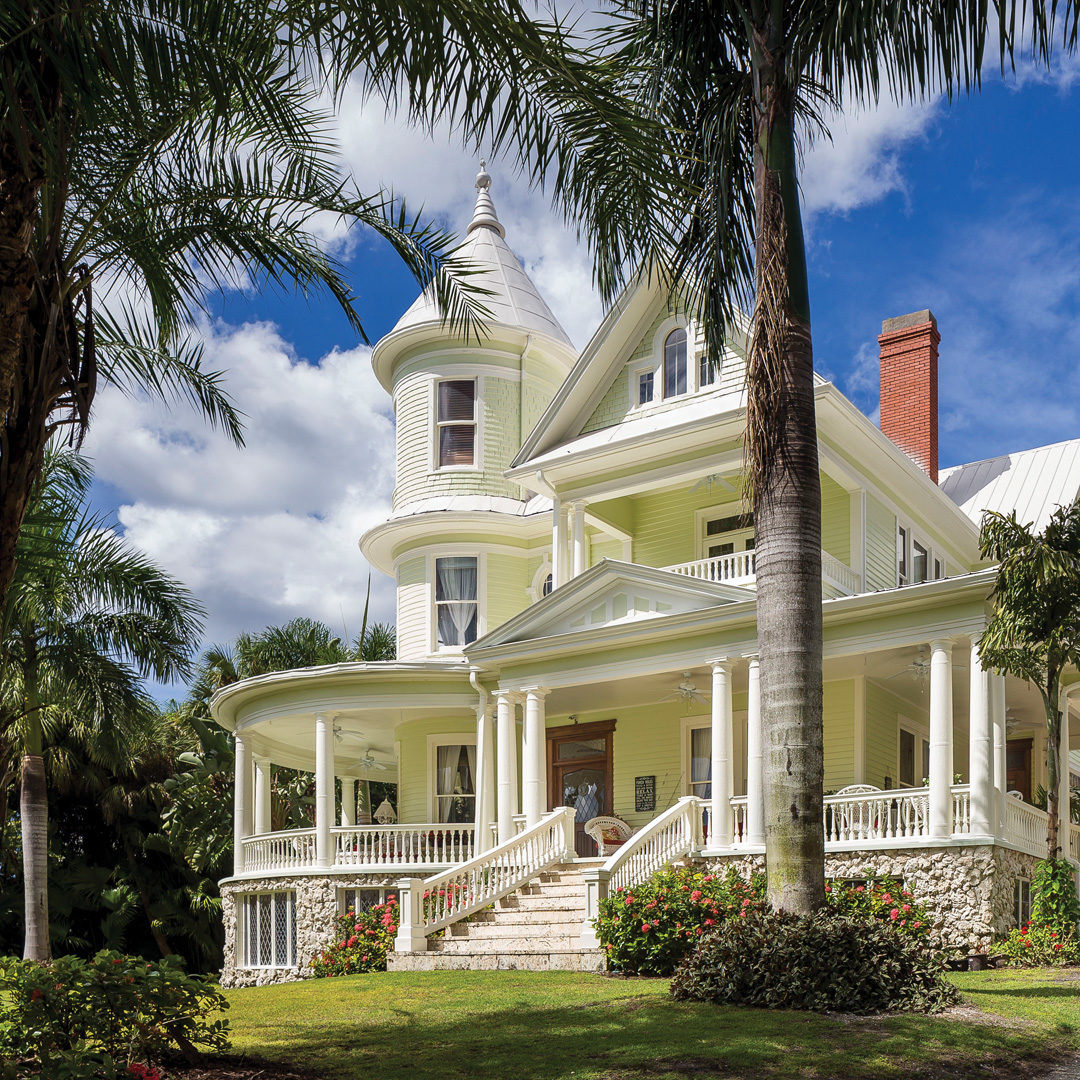
When it comes to purchasing a home in Florida, understanding the financing options available is crucial. Buyers can choose between traditional and alternative financing methods, each with its own set of requirements and benefits. This knowledge can empower buyers to make informed decisions that align with their financial situations and homeownership goals.Traditional financing options include conventional loans and government-backed loans, such as FHA and VA loans.
On the other hand, alternative financing can encompass unique solutions like seller financing and lease-to-own arrangements. Comparing these two categories helps potential homeowners understand which path best suits their needs.
Traditional Financing Options
Traditional financing primarily consists of loans secured through banks and mortgage lenders and is widely trusted for its structure and reliability. The most common types include:
- Conventional Loans: These are not insured by the government and typically require a higher credit score, usually around 620 or above. They offer competitive interest rates, especially for buyers with excellent credit. Most conventional loans require a down payment ranging from 3% to 20%.
- FHA Loans: Insured by the Federal Housing Administration, these loans are ideal for first-time buyers with lower credit scores. They allow down payments as low as 3.5%. However, they come with mortgage insurance premiums that are required for the life of the loan.
- VA Loans: Available for veterans and active-duty military members, these loans are backed by the Department of Veterans Affairs. They offer favorable terms, including no down payment and no private mortgage insurance (PMI). Eligibility criteria vary based on service history.
Alternative Financing Options
Alternative financing methods can provide unique solutions for buyers who may not qualify for traditional loans. These options can be particularly beneficial in Florida’s competitive real estate market.
- Seller Financing: In this arrangement, the seller acts as the lender, allowing the buyer to make payments directly to them. This can be beneficial in situations where the buyer may not qualify for traditional financing. Terms vary significantly based on the agreement between the buyer and seller.
- Lease-to-Own: This option allows buyers to rent a home with the intention of purchasing it later. A portion of the rent may apply toward the purchase price, providing a pathway to ownership while allowing the buyer to build credit or save for a down payment.
Requirements and Benefits of Financing Options
Each financing option comes with its own set of requirements, which can significantly impact a buyer’s decision-making process.
Understanding the specific requirements can help buyers prepare and improve their chances of securing a loan.
Requirements often include credit score thresholds, debt-to-income ratios, and down payment amounts. Traditional loans generally require a higher credit score and more stringent documentation compared to alternative financing options, which may offer more flexibility but could come with higher interest rates or larger down payment expectations.
Securing the Best Mortgage Rates
Finding the optimal mortgage rates can save buyers thousands over the life of a loan. Here are some strategies to consider:
- Improve Credit Score: A higher credit score can lead to lower interest rates. Taking time to pay down debts and ensure timely bill payments can improve creditworthiness.
- Shop Around: Different lenders offer various rates and terms. Comparing offers from multiple lenders can help buyers find the best deal.
- Consider Points: Buyers can pay for discount points at closing to lower their interest rates. One point typically equals 1% of the loan amount and can reduce the rate by about 0.25%.
- Lock in Rates: Once a favorable rate is found, buyers should consider locking it in, especially in times of fluctuating interest rates. Rate locks can protect borrowers from increases during the closing process.
The Role of a Real Estate Agent in Florida Home Buying
Purchasing a home in Florida can be an exhilarating yet complex journey, making the role of a local real estate agent invaluable. With their expertise in the local market and nuanced understanding of Florida’s unique housing landscape, real estate agents provide essential support to buyers, ensuring a smoother transition into homeownership.Real estate agents serve as knowledgeable guides throughout the home buying process.
Learn about more about the process of Cheap Mobile Homes for Sale in Palm Beach County in the field.
They help buyers navigate market trends, identify suitable properties, and negotiate offers. By leveraging their extensive networks and resources, agents can significantly ease the buying process for both first-time buyers and seasoned investors.
Importance of Hiring a Local Real Estate Agent
Engaging a local real estate agent brings many advantages that can streamline your home buying experience. Their familiarity with the Florida housing market is crucial in understanding pricing, neighborhood dynamics, and property values. Here are key reasons to hire a local expert:
- Local Market Knowledge: Agents understand the nuances of various neighborhoods, including the amenities, schools, and community atmosphere.
- Access to Listings: They provide access to a wider range of listings, including properties that may not be publicly advertised.
- Negotiation Skills: Local agents are skilled negotiators, ensuring you get the best possible deal on your new home.
- Legal Guidance: They help you navigate the legal aspects of buying a home, including contracts and disclosures, which is especially important in Florida’s unique regulatory environment.
Services Provided by Real Estate Agents
Real estate agents offer a comprehensive suite of services that cater to various aspects of the home buying process. Their support can make a significant difference in ensuring a seamless experience. Here’s a breakdown of their key services:
- Property Search: Agents assist in finding homes that meet your specific criteria, whether you’re looking for a beachfront property or a cozy family home in a suburban neighborhood.
- Market Analysis: They provide insights into current market conditions, helping you make informed decisions regarding pricing and potential investment returns.
- Coordination of Showings: Agents arrange and coordinate home viewings, saving you time and allowing for a more efficient search process.
- Assistance with Offers: They guide you in crafting competitive offers based on market analysis and property condition.
- Closing Process Support: Agents help manage all the details leading up to closing, including inspections, appraisals, and paperwork.
Choosing the Right Real Estate Agent
Selecting the right real estate agent in Florida is essential for a successful home buying experience. Factors to consider when making your choice include:
- Experience in Florida Real Estate: Look for agents with a proven track record in the Florida market, particularly in the regions you’re interested in.
- Client Reviews and Testimonials: Research feedback from past clients to gauge their satisfaction and the agent’s effectiveness.
- Communication Style: Ensure the agent’s communication style aligns with your preferences, as a good rapport can make the process more enjoyable.
- Specialization: Consider agents who specialize in the type of property or area you’re interested in, whether it’s luxury homes, foreclosures, or new construction.
“A knowledgeable real estate agent is an invaluable asset in navigating the intricacies of the Florida housing market.”
Preparing Your Florida Home for Sale
Selling a home in Florida requires careful planning and execution to maximize its appeal to potential buyers. Each step taken in preparing your home can significantly impact the sale process, from the initial cleaning to setting the right price. In this section, we will explore essential steps to prepare your Florida home for sale, effective staging strategies, and tips for pricing your home according to current market trends.
Essential Steps to Prepare Your Home for Sale, Florida homes
Preparing your home for sale involves several crucial tasks that enhance its marketability. One of the first steps is to declutter your space, allowing potential buyers to envision themselves in the home. Cleaning is also paramount; a spotless home creates a positive first impression. Here are key tasks to undertake:
- Deep Clean: Address every corner, ensuring windows, floors, and surfaces shine. Consider hiring professional cleaners for a thorough job.
- Repairs and Maintenance: Fix any leaky faucets, squeaky doors, or peeling paint. Small repairs can prevent buyers from being distracted by minor issues.
- Curb Appeal: Enhance your home’s exterior with landscaping, fresh paint, and tidy walkways. A well-maintained exterior invites buyers in.
- Neutral Decor: Remove personal items and family photos. Neutral colors are appealing and allow buyers to imagine their own style in the home.
Strategies for Effective Home Staging
Staging your home can make a significant difference in attracting buyers. It’s about presenting your home in the best possible light to create an emotional connection with prospective buyers. Consider these effective staging strategies:
- Furniture Arrangement: Arrange furniture to maximize space and create a welcoming flow. Remove excess furniture to make rooms appear larger.
- Lighting: Maximize natural light by opening curtains and blinds. Use soft, warm lighting to create an inviting atmosphere during showings.
- Fresh Scents: Use subtle scents, such as baked cookies or fresh flowers, to create a homely feel. Avoid overpowering fragrances that could deter buyers.
- Showcase Key Features: Highlight unique features of your home, such as fireplaces or built-in shelves, by arranging furniture to draw attention to these aspects.
Pricing Your Home Correctly
Setting the right price is critical when selling your Florida home, as it can determine the speed of sale and overall success. Research current market trends and consult with a real estate agent to establish a competitive price. Important considerations include:
- Comparative Market Analysis (CMA): Analyze recently sold homes in your area, focusing on homes with similar features and square footage, to gauge market value.
- Market Conditions: Understand if it’s a buyer’s or seller’s market. In a seller’s market, you may price higher due to demand.
- Amenities and Upgrades: Homes with desirable features, like pools or updated kitchens, can be priced higher compared to homes without these amenities.
- Professional Appraisal: Consider getting a home appraisal to receive an unbiased evaluation, allowing for a more informed pricing strategy.
Final Wrap-Up
In summary, the journey through florida homes reveals a wealth of opportunities for buyers, from understanding market trends to recognizing the value of community amenities. Whether you’re looking to purchase a cozy bungalow near the beach or a spacious family home inland, Florida’s real estate market offers something for everyone, making it a fantastic place to call home.
Expert Answers
What are the average home prices in Florida?
The average home price in Florida varies by region but is generally around $300,000 to $400,000.
Are there specific home insurance requirements in Florida?
Yes, Florida requires homeowners to have hurricane insurance due to its vulnerability to storms.
What is the best time to buy a home in Florida?
The best time to buy is typically in the offseason, from late fall to early spring, when competition is lower.
Can non-residents buy homes in Florida?
Yes, non-residents can purchase property in Florida without restrictions.
What are common closing costs for Florida homes?
Common closing costs include title insurance, appraisal fees, and attorney fees, totaling about 2-5% of the home’s price.