homes for sale county sets the stage for this enthralling narrative, offering readers a glimpse into a story that is rich in detail. Understanding the nuances of the housing market across different counties is essential for prospective buyers, as each area presents unique opportunities and challenges. From varying home prices to distinct amenities and services, the landscape of homes for sale is influenced by a multitude of factors that are crucial to consider.
As you delve deeper, you’ll discover how demographic trends, economic conditions, and local regulations shape the real estate market in each county. By analyzing these elements, potential homeowners can make informed decisions, ensuring that they find the right fit for their needs and preferences.
The Importance of Understanding Homes for Sale in Different Counties

Understanding the dynamics of homes for sale in different counties is crucial for prospective buyers, investors, and real estate professionals alike. Each county presents a unique market influenced by various factors such as economics, demographics, and local amenities. By grasping these differences, individuals can make informed decisions, ensuring their investments are sound and aligned with their lifestyle goals.The significance of knowing how homes for sale can vary by county is deeply rooted in the diverse characteristics that define each region.
Factors influencing home prices and availability include local economic conditions, population growth, job opportunities, school quality, and infrastructure development. For instance, counties with booming job markets often see a surge in housing demand, leading to increased home prices. In contrast, areas with declining industries may experience stagnation or a drop in property values.
Factors Influencing Home Prices and Availability
Several factors contribute to the variance in home prices and availability across different counties. Understanding these elements can help buyers navigate the housing market more effectively. One major influence is economic stability and growth. Counties that attract new businesses and offer a favorable job market generally see higher demand for housing. For example, counties in tech hubs such as Silicon Valley have consistently high home prices due to the influx of high-salary jobs.Another critical aspect is the demographic trends.
Counties experiencing population growth, particularly from younger families or professionals, will often see increased competition for homes. Conversely, areas with an aging population may not see as much demand, leading to lower prices. Local amenities and school districts also play a significant role in influencing home values. Counties with highly-rated schools and recreational facilities tend to attract families, driving up demand and home prices.
For instance, homes in suburban areas with excellent school systems often command a premium compared to those in less desirable educational districts.
Understanding county-specific factors can empower buyers to make informed decisions and identify prime opportunities in the housing market.
Key Factors Impacting the Homes for Sale Market in Counties
Understanding the homes for sale market in various counties requires an exploration of the factors that significantly influence housing availability, pricing, and buyer demand. These factors not only shape the immediate real estate landscape but also reflect broader economic and social trends that can affect prospective buyers and sellers alike.
Economic Conditions
The economic climate of a county plays a pivotal role in determining the real estate market’s dynamics. Economic indicators such as unemployment rates, income levels, and overall economic growth directly impact housing demand and pricing.
- High employment rates generally lead to increased household income, allowing more individuals to invest in real estate.
- Conversely, during a recession, job losses can create a surplus of homes for sale, driving prices down and potentially leading to a buyer’s market.
- Investment in local infrastructure, such as schools and transportation, can elevate property values and attract more buyers, thereby affecting the overall market positively.
“A thriving economy fosters confidence among buyers, which directly translates into a robust housing market.”
Demographic Shifts
Demographic changes within a county can substantially influence housing demand. Factors such as population growth, age distribution, and migration trends are crucial to understanding how the market operates.
- As populations grow, especially in urban areas, the demand for housing increases, often leading to higher prices and a competitive market.
- Shifts in demographics, such as an aging population, may result in increased demand for single-story homes or retirement communities.
- Young professionals moving into an area seeking job opportunities can drive demand for rental properties and starter homes, shaping the types of homes that are built and sold.
“Demographic trends provide insight into the types of properties that will be in demand, guiding future development and investment.”
Analyzing Popular Counties for Home Buyers
Finding the perfect home involves more than just the house itself; the surrounding area is equally important. Some counties stand out as prime locations for buyers, each with unique characteristics that cater to various lifestyles and preferences. Understanding these counties can significantly enhance your home-buying experience.To aid aspiring homeowners in their search, here’s a look at some of the top counties that have consistently attracted home buyers due to their favorable conditions and amenities.
These locations not only offer diverse housing options but also provide a community spirit that many find appealing.
Top Counties for Home Buying
Here are some of the most popular counties that have become hotspots for home buyers, along with their unique selling points:
- Los Angeles County, California
Known for its vibrant culture and entertainment industry.
This county attracts buyers due to its diverse neighborhoods, proximity to beaches, and entertainment options ranging from Hollywood to various outdoor activities in the nearby mountains.
- Cook County, Illinois
A hub for rich history and cultural experiences.
Home to Chicago, this county boasts a mix of urban living with suburban comfort, excellent dining options, and a robust public transportation system that makes commuting easier.
- Miami-Dade County, Florida
Offers a dynamic lifestyle with year-round sunshine.
The appeal lies in its beautiful beaches, vibrant nightlife, and strong multicultural community, making it perfect for buyers interested in a lively atmosphere.
- Travis County, Texas
Known for its booming tech scene and music culture.
Home to Austin, this county attracts buyers with its vibrant arts scene, numerous parks, and a youthful ambiance complemented by a growing job market.
- Maricopa County, Arizona
Combines desert beauty with urban conveniences.
This county is popular for its affordable housing options, warm climate, and abundant recreational activities, making it a great choice for families and retirees alike.
These counties attract home buyers for several compelling reasons. First, economic opportunities play a significant role in drawing potential homeowners. Counties like Travis and Cook have robust job markets, especially in technology and service sectors, which provide financial security and stimulate the local economy.Second, quality of life is a critical factor, with amenities that cater to various lifestyles. Outdoor activities, cultural events, and family-friendly facilities enhance the living experience, making these counties more desirable.
Lastly, community and connectivity contribute to the allure of these locations. Many counties prioritize community engagement and provide various services that foster a sense of belonging. For instance, events in Los Angeles and Miami-Dade counties allow residents to connect and build relationships within their neighborhoods. In conclusion, the combination of economic benefits, lifestyle amenities, and strong community ties makes these counties stand out as prime locations for home buyers.
Their unique characteristics not only enhance daily living but also promise a fulfilling life for those who choose to call them home.
Understanding the Home Buying Process in Different Counties

Purchasing a home is a significant milestone, and the process can vary considerably across different counties. Each locality has its own set of regulations, guidelines, and steps involved, which can influence the overall experience for home buyers. It’s essential to familiarize yourself with these differences to navigate the buying process effectively.The home buying process typically involves a series of steps that, while generally consistent, can have distinct variations depending on the county’s regulations.
Here’s a breakdown of the primary stages involved in purchasing a home, highlighting critical differences across various counties.
Steps Involved in Purchasing a Home
The home buying journey includes multiple stages, and understanding each one can help buyers prepare effectively:
1. Pre-Approval for Financing
Before house hunting, obtaining a mortgage pre-approval is essential. This step can vary by county based on local lenders’ requirements and the availability of specific loan programs.
2. Finding a Real Estate Agent
Selecting a knowledgeable real estate agent familiar with the local market is crucial. Agents will have insights into specific county regulations and available properties based on local trends.
3. Searching for Homes
Buyers will browse listings and attend open houses. The availability of homes can differ by region, influenced by local zoning laws and market conditions.
4. Making an Offer
The process of making an offer may include specific local customs regarding earnest money deposits and contingencies. Each county may have unique forms and procedural requirements.
5. Home Inspections
While home inspections are standard, certain counties may mandate specific inspections (like termite or septic inspections) based on local regulations.
6. Closing the Transaction
The closing process, where ownership is officially transferred, can vary significantly by county, as discussed in the next section.
Comparison of Closing Processes Across Counties
The closing process is a critical phase in real estate transactions and is where many of the differences between counties become apparent. The following highlights key aspects of closing in various counties:
Document Requirements
Different counties may have specific documentation needed at closing. For instance, some may require additional disclosures regarding property taxes or local assessments that others do not.
Closing Costs
There can be variations in closing costs, which might be influenced by local tax rates, recording fees, and other county-specific charges. Buyers should analyze these costs to avoid surprises.
Timeframes
The duration of the closing process can also differ, with some counties having expedited processes while others may take longer due to bureaucratic procedures or the complexity of local laws.
Title and Escrow Services
Local practices regarding title insurance and escrow services can vary widely. Some counties may have specific title companies that are preferred or mandated, affecting how the closing is conducted.
Understanding local closing processes can save time and money during the home buying journey.
Significance of Local Laws and Regulations
Local laws and regulations play a pivotal role in home purchases. They can dictate everything from zoning laws to environmental regulations that affect property use and value. Here are some crucial points to consider:
Zoning Laws
These laws determine how land can be used, influencing property value and development potential. Buyers should be aware of local zoning ordinances that may limit or expand their intended use of a property.
Disclosure Requirements
Different counties have varying requirements for sellers to disclose property issues or neighborhood conditions. Familiarity with these can protect buyers from unexpected liabilities.
Tax Implications
Local tax laws affect property tax assessments, which can vary significantly. Understanding these implications can assist buyers in estimating ongoing costs associated with home ownership.
Homeowners Association (HOA) Rules
In certain areas, properties might be subject to HOA regulations that dictate property appearance and community standards. Awareness of these rules is essential for buyers considering homes in such districts.In conclusion, understanding the nuances of the home buying process across different counties is vital for prospective home buyers. Each locality presents its own set of procedures, regulations, and unique characteristics that can significantly affect the buying experience.
Evaluating Real Estate Agents in Different Counties
Choosing the right real estate agent can significantly enhance the home buying experience, especially when navigating the nuances of different counties. A reliable agent will not only possess the necessary expertise but also have an in-depth understanding of local market trends and community specifics that can greatly influence your decisions. When evaluating potential agents, consider various criteria that align with the characteristics of the county you are interested in.
Criteria for Selecting a Reliable Real Estate Agent
When selecting a real estate agent for a specific county, it’s essential to focus on criteria that highlight their suitability and experience. Here are key factors to consider:
- Local Market Knowledge: The agent should have familiarity with the local neighborhoods, recent sales, and property values. Understanding the local market can help in pricing your offer competitively.
- Experience in the County: An agent with a proven track record of transactions in the county can provide insights into the home buying process specific to that area.
- Communication Skills: A good agent must communicate effectively, providing regular updates and being responsive to your concerns and questions.
- Reputation and Reviews: Look for testimonials or reviews from previous clients to gauge the agent’s reliability and professionalism.
- Negotiation Skills: Strong negotiation skills can make a significant difference in securing the best deal for your new home.
Advantages of Hiring a Local Agent
Opting for a local real estate agent offers numerous benefits that can streamline the buying process. Their intimate knowledge of the area can lead to significant advantages:
- Access to Off-Market Listings: Local agents often have insider knowledge of properties that are not yet publicly listed, giving you a head start.
- Understanding of Local Regulations: Different counties have varying zoning laws and regulations. A local agent will be well-versed in these specifics, helping you avoid potential pitfalls.
- Connections to Local Services: Agents typically have established relationships with local inspectors, appraisers, and contractors, making the home buying process smoother.
- Community Insights: A local agent can provide valuable insights into school districts, neighborhood dynamics, and upcoming developments that could impact your investment.
Impact of an Agent’s Knowledge on Home Buying Experience, Homes for sale county
The knowledge of a real estate agent can profoundly influence the home buying experience. Here are examples that illustrate this impact:
- Case Example: Pricing Strategies: In a hot market like certain counties, an agent who understands the urgency can encourage you to act swiftly with competitive offers, potentially securing a better price.
- Case Example: Neighborhood Selection: An agent knowledgeable about specific hot neighborhoods within a county can guide you toward areas that align with your lifestyle and investment goals.
- Case Example: Tailored Recommendations: An agent familiar with your preferences can recommend homes that fit your criteria, saving you time and effort in your search.
Insights into Home Financing Options by County
Navigating the world of home financing can be complex, especially when considering the variations in options available across different counties. Each county may have unique programs and incentives designed to assist home buyers, making it essential to understand what is available locally. Whether you are a first-time buyer or looking to invest, knowing your financing options is crucial for making informed decisions.Local government programs play a significant role in assisting buyers, particularly those with specific needs such as first-time home buyers or low-income families.
Many counties offer down payment assistance, tax credits, and favorable loan terms to promote home ownership. Here are some examples of financing options that may be available:
Available Financing Options by County
Understanding the specific financing options available in each county can help buyers take advantage of the best programs suited for their needs. Below are several key financing options that may be found across various counties:
- Conventional Loans: These are standard loans not backed by the government and typically require a higher credit score and down payment. They are widely available in most counties.
- FHA Loans: Backed by the Federal Housing Administration, these loans are designed for low-to-moderate-income buyers and allow for lower down payments, making homeownership more accessible.
- VA Loans: Available to veterans and active-duty military personnel, these loans require no down payment and have favorable terms, such as no private mortgage insurance (PMI).
- USDA Loans: Targeting rural areas, these loans assist low-income buyers in purchasing homes with zero down payment and lower mortgage insurance costs.
- Local Down Payment Assistance Programs: Many counties offer programs to provide grants or loans to help cover down payments, especially for first-time buyers.
Understanding the financing options available is crucial, but local government programs can further enhance accessibility for home buyers with specific needs.
Local Government Programs and Assistance
Government programs can significantly enhance a buyer’s ability to secure a home. These programs often aim to support buyers facing financial challenges or seeking to purchase in specific areas. Here are some noteworthy examples of these programs:
- First-Time Home Buyer Programs: Many counties offer specific loans and grants designed for first-time buyers to help with down payments and closing costs.
- Home Rehabilitation Programs: Some counties provide financial assistance for home improvements, allowing buyers to purchase homes needing repairs and renovations.
- Tax Incentives: Certain regions may offer tax credits to first-time home buyers or those purchasing in redevelopment zones.
- Community Land Trusts: These non-profit organizations develop housing options at affordable prices through public and private partnerships, often providing subsidized financing.
In addition to local programs, it is important to consider how interest rates can vary based on county locations.
Interest Rate Variations by County
Interest rates can fluctuate based on numerous factors, including economic conditions, county-specific programs, and the overall housing market. Buyers should be aware that rates might differ significantly from one county to another. Here are some factors influencing these variations:
- Local Economic Conditions: Counties with stronger job markets and higher property values may experience higher interest rates.
- Housing Demand: In areas with high demand, lenders may increase rates due to competition among buyers.
- Loan Type Availability: Certain counties may have more competitive rates for specific loan types due to the availability of local programs and lender relationships.
- Credit Requirements: Different counties may have varying thresholds for credit scores, influencing the types of loans available and their associated rates.
To summarize, understanding the nuances of home financing options by county is essential for any home buyer. By exploring the variety of financing options, local government programs, and interest rate variations, buyers can make informed decisions that align with their financial circumstances and homeownership goals.
The Future of Homes for Sale in Counties
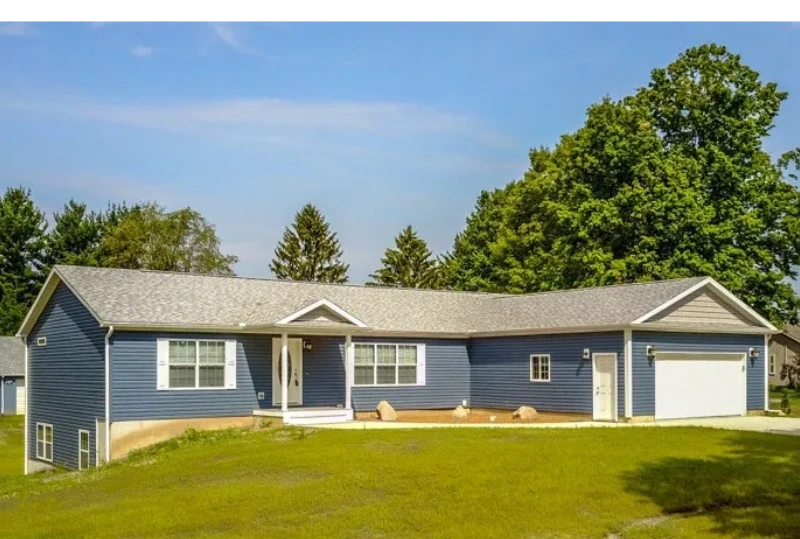
As the housing market continually evolves, understanding the future of homes for sale in various counties is crucial for buyers, sellers, and real estate professionals alike. With emerging trends, shifting demographics, and technological advancements, the landscape of home buying is poised for significant changes. This section delves into the key trends shaping the future of housing, the impact of urbanization and rural development, and the role of technology in the home buying process.
Trends Shaping the Future Housing Market
Several trends are currently influencing the future of homes for sale in counties across the nation. Recognizing these trends can provide valuable insights for potential home buyers and investors.
- Remote Work Flexibility: The rise of remote work has prompted many individuals and families to seek homes in suburban or rural areas where they can enjoy more space and lower costs. This shift is driving demand for homes in previously less sought-after counties.
- Increased Urbanization: As cities expand, urban areas are experiencing an influx of residents, leading to a surge in demand for urban housing. This trend often results in higher prices and a competitive market for homes in metropolitan counties.
- Sustainable Living: Growing awareness of environmental issues has led to increased interest in sustainable homes. Buyers are now prioritizing energy-efficient features and green building practices, affecting how homes are marketed and sold.
- Demographic Shifts: As millennials and Gen Z enter the housing market, their preferences and buying patterns are reshaping the market. This younger demographic often seeks homes that offer modern amenities and proximity to amenities such as public transport, shopping, and entertainment.
Implications of Urbanization and Rural Development
Urbanization continues to change the dynamics of home buying, while rural development opens avenues for investment in less populated areas. The implications of these changes are profound.
- Urban Overcrowding: With more people relocating to cities, urban areas may face challenges such as overcrowding, increased traffic, and strain on public services, driving demand for housing solutions that address these issues.
- Rural Resurgence: The pandemic has seen a renewed interest in rural living, with buyers drawn to open spaces and a slower pace of life. This trend may lead to increased investments in infrastructure and amenities in rural counties, making them more appealing for future homeowners.
- Pricing Dynamics: Urban housing prices may increase significantly due to heightened demand, while rural areas may see gradual appreciation as development improves local economies and attracts new residents.
Technological Advancements in Home Buying
Technology is transforming the home buying experience, making it more efficient and accessible. Several advancements are particularly noteworthy.
- Virtual Tours and Augmented Reality: These technologies allow prospective buyers to explore properties from anywhere, significantly expanding the reach of listings in various counties and making it easier for buyers to make informed decisions.
- Smart Home Technology: As smart home devices become standard, they influence buyer preferences. Homes equipped with smart technology often appeal to tech-savvy buyers looking for modern conveniences.
- Data Analytics: Real estate professionals are increasingly leveraging big data to analyze market trends, predict pricing, and tailor marketing strategies, providing better guidance to buyers and sellers.
“The future of home buying is being shaped not only by demographic trends but also by the way technology is changing how we interact with real estate.”
Ultimate Conclusion
In conclusion, understanding the dynamics of homes for sale in different counties empowers buyers to navigate the real estate market effectively. By recognizing the key factors that influence home prices and availability, as well as the unique characteristics of popular counties, individuals can better position themselves in their home-buying journey. Whether you are a first-time buyer or looking to invest, being well-informed about these insights will certainly lead to more satisfying and successful outcomes.
Helpful Answers: Homes For Sale County
What factors influence home prices in different counties?
Home prices can be influenced by local economic conditions, demographic trends, and specific county amenities.
How do I choose a real estate agent for buying a home in a specific county?
Look for an agent with local expertise, a good track record, and familiarity with the county’s market dynamics.
What are some common financing options available for homes?
Common financing options include conventional loans, FHA loans, and state-specific assistance programs for first-time buyers.
Are there any specific regulations I should be aware of when buying in a different county?
Yes, regulations can vary significantly by county, including zoning laws, property taxes, and closing processes.
How does urbanization affect the housing market in counties?
Urbanization typically increases housing demand, influences price trends, and can lead to infrastructure changes within counties.